Get Full Government Meeting Transcripts, Videos, & Alerts Forever!
Get email alerts on the Federal Visits topic
No spam. Unsubscribe anytime.
U.S. Senators Bennet and Hatch brief Utah House on healthcare, immigration and surveillance
Summary
U.S. Senators Michael Bennet and Orrin Hatch addressed the Utah House on Feb. 19, urging bipartisan federal fixes for healthcare and updated intelligence authorities while answering representatives’ questions about Medicaid flexibility, border funding and Internet privacy.
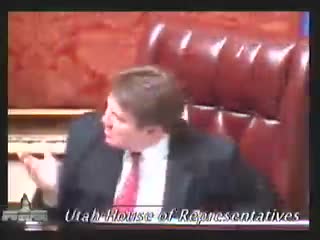
U.S. Senators Michael Bennet and Orrin Hatch visited the Utah House on Feb. 19 to report on federal priorities and take questions from state representatives.
Senator Michael Bennet opened by urging bipartisan work on healthcare, describing the Wyden-Bennet Healthy Americans Act as a rare bipartisan Senate effort and saying the federal tax code needs changes to detach coverage from employment. He told the chamber that the plan has "12 cosponsors, 6 Republicans and 6 Democrats," and said he and Senator Ron Wyden had joined forces to show a bipartisan path. On the limits of state action, Bennet said "the state cannot solve a problem it did not create" and urged federal tax changes to address portability and employer-tied coverage.
In response to a representative’s question about state flexibility in Medicaid and CHIP, Bennet said the Congress was unlikely to take up many reforms in that session but he pledged to carry the message to federal officials. On immigration, Bennet noted recent border appropriations and said the federal response included "$4,000,000,000 in appropriations to hire and train new border guards and to work on the construction of the barrier," adding that such spending ‘‘will only alleviate certain portions of it’’ and that comprehensive reform remained politically difficult.
On the economic stimulus, Bennet described his vote in favor as based in part on economic judgment: "it won't do any harm," he said of portions of the package, noting that some components — like $600 rebates — are of limited macroeconomic effect in a $14 trillion economy but may still provide short-term relief.
Senator Orrin Hatch addressed national security and intelligence issues, urging passage of updated surveillance authorities (discussed in the House as the Protect America Act and changes to the Foreign Intelligence Surveillance Act). Hatch said the 1978 FISA framework needs updating for the Internet age and warned that denying retroactive immunity to cooperating companies could spur costly litigation and hamper future cooperation. On Internet privacy and identity concerns, Hatch acknowledged the complexity of protecting citizens and said there were no easy answers but that legislators must weigh intellectual-property and privacy concerns alongside innovation and security.
Both senators took a range of questions from representatives on topics including H‑1B visas, wilderness policy, and balancing national security with civil liberties. Bennet and Hatch both emphasized the limits of rapid congressional action in an election year and encouraged continued dialogue between state legislators and their federal delegation.
The House then returned to its business, including votes on consent-calendar bills and further floor legislation.