Get Full Government Meeting Transcripts, Videos, & Alerts Forever!
Get email alerts on the Gang Policy topic
No spam. Unsubscribe anytime.
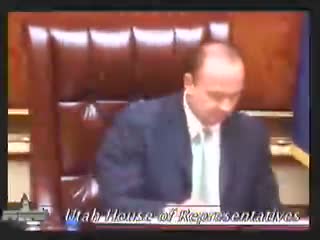
House passes bill criminalizing solicitation to recruit juveniles into gangs
Summary
The House approved Senate Bill 65 after a sponsor presentation and Q&A about enforceability and victim protections; sponsor said the bill creates a new crime to deter recruitment and gives victims a pathway to report, while opponents sought clarity on definitions and enforcement safeguards.
The Utah House passed Senate Bill 65, which the bill sponsor described as creating criminal penalties for soliciting or recruiting juveniles into criminal street gangs.
Representative Oda, the House sponsor, said the bill adds offenses for attempting to solicit, recruit, entice or intimidate someone under 18 to join or remain in a gang and that certain acts would be Class B misdemeanors with escalations for attempts to intimidate youngsters into actual criminal activity. He said the measure is intended to give victims the ability to report recruitment and enable investigation and prosecution.
Members questioned how the statute would be enforced and how a "criminal street gang" would be defined. Representative Hemenway asked whether victims would have a safe harbor and how to protect juveniles who come forward; Representative Oda responded that victims would report and investigations would follow, and that the bill did not create special new protections beyond existing victim protections. Representative Hansen and others pressed for precision on the definition of gang-related predicate offenses, and the sponsor pointed to the bill's listing of activities (including controlled-substance offenses, homicide, kidnapping, property destruction and weapons violations) used to identify gang predicate offenses.
Representative Wimmer argued the state has seen an increase in gang activity and cited the presence of MS-13 in Utah as context for supporting the bill. Supporters urged quick action; the House voted to pass SB65 and returned it to the Senate.
The transcript records penalties discussed: the sponsor said a Class B misdemeanor can include fines (up to $1,000) and jail time (up to six months) and that the bill's primary effect is to create an enforceable new offense to deter recruitment of juveniles. The record does not include further amendments or implementation details beyond general references to law enforcement investigation and prosecution.
The House recorded the passage of SB65 and directed the bill back to the Senate; the transcript reflects unanimous recorded support on the floor vote.