Get Full Government Meeting Transcripts, Videos, & Alerts Forever!
Get email alerts on the Housing Policy topic
No spam. Unsubscribe anytime.
House approves compromise limiting municipal inspection fees for rental dwellings
Summary
House Bill 290, a compromise with the League of Cities and Towns to regulate municipal charges on rental dwellings and level business-license treatment, passed 69–4 after the House approved amendment #3 and heard floor debate including conflict declarations by sponsors.
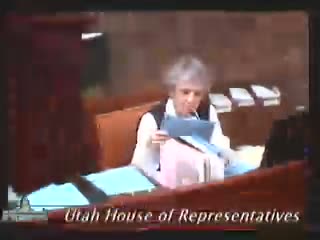
The Utah House approved House Bill 290, Municipal Oversight of Rental Dwellings, after a floor amendment and debate, passing the measure 69–4 and forwarding it to the Senate.
Representative Gage Froehrer opened the presentation by declaring a potential conflict of interest: “I do own rental units and own a portion of a property management company,” he told the chamber before moving amendment number 3 (dated 02/11/2008). The amendment, a compromise with the League of Cities and Towns, passed by voice vote.
Sponsor Froehrer said the bill levels the playing field by bringing duplexes and single-unit rentals under the same statutory framework that applies to larger multi-family owners, addressing cases where an owner with 10 single units would not previously have been required to hold a business license while a 10-plex owner would. The bill also eliminates municipal authorization to impose inspection fees as a revenue enhancement and instead encourages enforcement via authorized business license fees or fines. It limits municipalities’ ability to interfere with private lease arrangements (for example, when an owner contracts with a tenant to pay utilities) and clarifies that retrofit or retrofit‑related fees apply only when structural-permit work triggers the code requirements.
Several members declared conflicts of interest on the record because they own rental properties; the speaker noted disclosure on members’ conflict-of-interest statements. Voting was opened and the clerk announced the tally as 69 yes and 4 no. The bill, as amended, passed the House and will be referred to the Senate for further consideration.