Get Full Government Meeting Transcripts, Videos, & Alerts Forever!
Get email alerts on the Employment Verification topic
No spam. Unsubscribe anytime.
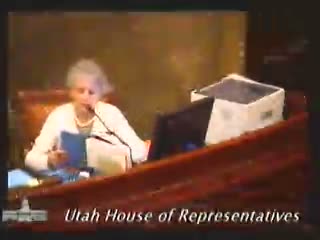
House OKs mandatory E‑Verify for public employers after lengthy debate
Summary
The House passed the Utah Employment Verification Act (House Bill 98), making E‑Verify mandatory for government employers after extended questioning about accuracy, legal risks and scope; the bill passed 54–16 with five absentees and moves to the Senate.
Salt Lake City — The Utah House of Representatives passed House Bill 98, the Utah Employment Verification Act, requiring government employers to use the federal E‑Verify system to confirm new hires’ Social Security numbers and help prevent identity theft. The bill passed on the floor 54–16 with five members absent and was referred to the Senate.
Sponsor Representative Glenn Donaldson framed the measure as an identity‑theft and fraud prevention bill, saying the state should lead by example and that E‑Verify ‘‘will catch those mismatched Social Security numbers’’ and is ‘‘free to those that sign up.’’ Donaldson told colleagues that the program can reduce child Social Security misuse and improve wage and tax reporting accuracy.
Opponents and questioners raised legal and practical concerns. Representative King asked whether HB98 duplicates efforts currently being challenged in other states and whether the state could incur legal costs; King said, ‘‘It’s my understanding that these are both being challenged in the court, and I wonder about the wisdom of passing something that’s being challenged.’’ Representative Fairey pushed the sponsor to explain how HB98 differs from federal requirements and whether the bill would make E‑Verify mandatory for state and local governments; the sponsor said the key change is to make participation mandatory for government employers.
Members also pressed on accuracy and appeals. Donaldson and others described E‑Verify as an additional check alongside the federal Form I‑9 and said that, if a mismatch occurs, an individual has an opportunity to clarify the record (the sponsor noted a roughly ten‑day chance to provide documentation). Supporters emphasized child protection: Representative Harro argued the system ‘‘will catch 100% of the stealing of Social Security numbers of our children.’’
Some speakers acknowledged the possibility of litigation in other states but said E‑Verify itself had not been struck down. ‘‘E Verify has never been challenged in court,’’ Donaldson told the House, adding that parts of other states’ bills had been contested. Other members urged caution, noting that courts in other states were weighing aspects of similar statutes and that timing could expose the state to lawsuits.
After extended questions and debate over scope (application to state and local agencies, and whether contractors would be covered), the House voted to approve HB98. The bill now goes to the Utah Senate for further consideration.