Get Full Government Meeting Transcripts, Videos, & Alerts Forever!
Get email alerts on the Employment Screening topic
No spam. Unsubscribe anytime.
Utah House advances substitute to Employment Selection bill; sponsor says it fixes unintended limits on employers and applicants
Summary
The Utah House advanced a first-substitute to House Bill 1,002, which clarifies when employers may collect or disclose Social Security numbers, driver’s licenses and dates of birth for hiring and for the Work Opportunity Tax Credit; sponsor Representative Harper said senators’ concerns were resolved and voting will be opened on the substitute.
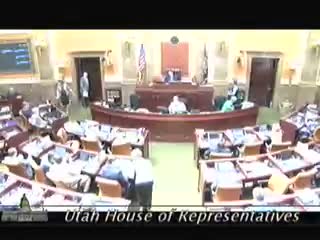
The Utah House of Representatives advanced a first-substitute to House Bill 1,002, the sponsor said, to correct unintended limits on employers’ access to applicant information and to clarify when Social Security numbers and other identifiers may be requested.
Representative Harper, the sponsor, told the chamber the substitute traces to earlier work on the Employment Selection Act (House Bill 206) and a 2009 review. He said the original language aimed to protect applicants from identity theft and misuse of information but created two problems for employers and applicants. "We found that 2 problems were created with that. Number 1, we made it so that businesses who go through do an internal check with their own records can no longer do that. That was not intended," Harper said. He described a second problem where applicants for federal programs tied to the Work Opportunity Tax Credit could be required to provide a Social Security number before a job offer was made, a timing he said would disadvantage some applicants and businesses.
Harper said the first substitute reorganizes the relevant sections (lines cited in the sponsor’s explanation) to make clear which data elements employers may collect, which are limited, and the preconditions for disclosure. "The substitute bill goes through and reorganizes a lot of the information ... in the fashion that a number of members of the business and labor community felt would be more readable and easier to follow," he said.
Representative Dunnegan asked whether earlier concerns raised by senators had been resolved. Harper answered that the issues had been addressed: "All the issues that were brought up by the senators were reorganized. They've read the bill, and they have agreed to it." The chamber then moved the substitute by voice vote with no further debate.
The presiding officer announced that voting will be open on first substitute House Bill 1,002, indicating the measure will proceed to a floor vote.