Get Full Government Meeting Transcripts, Videos, & Alerts Forever!
Get email alerts on the Alcohol Regulation topic
No spam. Unsubscribe anytime.
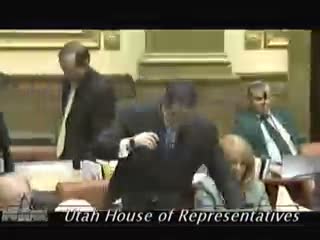
House debates broad alcohol reform: ID scanners, club rules and bar‑structure changes
Summary
Representative Gregory Hughes presented a compromise package (first substitute HB347) to modernize Utah’s alcohol laws — replacing the mandatory private‑club model with social/dining clubs, requiring ID‑scanning for younger patrons, clarifying allowable bar configurations and offering a two‑year refurbishment incentive — and the House adopted at least one amendment during extended floor debate.
Representative Gregory Hughes presented a first‑substitute package of Alcoholic Beverage Control Act reforms (referred to in the transcript as a substitute for HB347 and related bills). The package is described as a negotiated compromise among hospitality stakeholders, Mothers Against Drunk Driving and the Attorney General’s Office. Key elements discussed on the floor include:
- Eliminating the required private‑club membership model. Businesses may retain membership structures by choice, but membership will no longer be a statutory requirement for certain liquor licenses.
- Creating two categories — social clubs and dining clubs — with differing obligations; dining clubs are subject to the 50% food/50% alcohol statutory expectation for a dining classification.
- Requiring electronic identification scanning at entry (for patrons who appear 35 or younger) and at point of sale in dining clubs; Hughes said the barcode readers read 49 states’ driver‑license barcodes as well as passports and military IDs and do not connect to a central database.
- Grandfathering existing bar structures while clarifying acceptable future configurations and offering an incentive (up to $30,000 in alcohol‑purchase funds through the DABC) with a two‑year sunset to help proprietors conform if they choose to refurbish.
- Increasing dram‑shop liability caps but delaying those liability changes for two years to allow insurers and the Business and Labor Interim Committee to assess market capacity.
Floor members asked detailed questions about international visitors and passport scanning, which the sponsor said would be handled through DABC rule processes; about the sunset date for incentives (two years); and whether the measures would apply to bowling‑alley bars and beer taverns (sponsor said they would not). Supporters noted the package aims to modernize regulation and reduce confusion about the “Zion curtain” and varying bar configurations while keeping public‑safety protections in place. Representative Hughes emphasized the package was not intended to loosen drunk‑driving enforcement but to provide clearer, technology‑based compliance and enforcement tools.
Multiple amendments were moved and adopted in committee and on the floor; at the point covered by the transcript an amendment establishing effective dates and two‑year delays on certain insurance caps was adopted. Debate continued with many members questioning practical and enforcement details.