Get Full Government Meeting Transcripts, Videos, & Alerts Forever!
Get email alerts on the Hb370 topic
No spam. Unsubscribe anytime.
Utah House narrowly approves higher handicapped‑parking fine to fund employment program for people with disabilities
Summary
The House approved first substitute HB370 to raise the minimum fine for parking in a handicapped spot from $125 to $175; sponsor said the fee will fund a program to employ qualified people with disabilities, while critics argued the increase is an inappropriate substitute for an appropriation. Vote: 39–36.
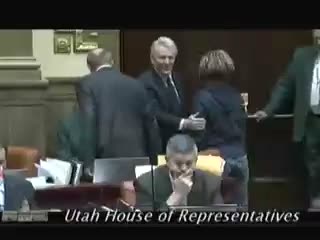
The Utah House on March 6 approved first substitute HB370, raising the minimum fine for parking in a disabled parking space from $125 to $175 and directing the additional revenue to a program the sponsor said will help employ people with disabilities.
Representative Dunnegan questioned the bill’s purpose during floor debate, saying he was “struggling” because the measure appears primarily intended to fund the program rather than to increase enforcement and that a $175 minimum fine seemed disproportionate for the offense. Dunnegan said the $50 increase would be larger than fines for several other offenses and suggested the governor could request the roughly $33,000 needed to start the program through the normal appropriation process instead of increasing penalties.
Sponsor Representative Mascaro said the bill is “all about employing qualified people with disabilities and has nothing to do with enforcement,” and argued the increase still leaves Utah’s fine below many other states. Mascaro said the fee revenue would be used to hire and educate employers and state hiring managers about how to implement the employment program. “This is simply a program that will allow the state to employ more people with disabilities, qualified people,” Mascaro said, adding that employment would reduce reliance on Medicaid and other public assistance programs.
During debate Dunnegan also noted that only $5 of the $50 increase would go to local municipalities for administration, and expressed concern that the remainder would not support local enforcement. Mascaro responded that local governments retain authority to add additional enforcement fines and defended the use of fees to support state policy priorities.
Voting opened after floor discussion. The House approved the first substitute to HB370 by a roll‑call tally of 39 yes and 36 no; the bill will be transmitted to the Senate for further consideration.
The House record does not show a separate appropriation or alternative funding source for the program; opponents pressed that point during debate. The next procedural step for HB370 is Senate consideration.