Get Full Government Meeting Transcripts, Videos, & Alerts Forever!
Get email alerts on the Renewable Energy topic
No spam. Unsubscribe anytime.
House concurs on HB 430 after heated debate over classifying nuclear as renewable
Summary
Lawmakers narrowly approved a concurrence on HB 430, which adds nuclear power to the bill efining —renewable energy— for economic development incentives. Opponents said nuclear is not renewable and raised fiscal concerns; supporters said post-performance tax credits and GOED zones limit risk.
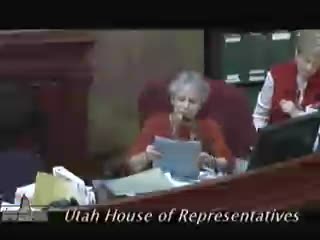
The Utah House of Representatives voted to concur with Senate amendments to House Bill 430, approving economic development incentives for alternative energy projects that, as amended, include nuclear power in the bill—s definition of "renewable energy." The motion to concur passed on final passage, recorded as 59 yes and 15 no.
The amendment drew repeated objections from members who said nuclear power does not meet standard definitions of renewable energy and risks channeling taxpayer subsidies to heavily subsidized nuclear projects. Representative Janice Fisher urged colleagues to vote no, saying, "Nuclear power is not a renewable energy," and that including it would set a damaging precedent and provide further subsidies to an industry that has historically received significant federal support.
Supporters said the change does not create an automatic subsidy but expands eligible technology under a post-performance, merit-based incentive. Representative Garn and other proponents described the program—s safeguards: projects must be located in GOED-designated renewable energy zones that receive local approval; they must show direct investment, new jobs, significant capital investment, purchases from Utah vendors and new state revenue; only after meeting those post-performance criteria would tax credits or incremental financing be issued.
Opponents pressed fiscal concerns. One representative noted the most recent fiscal note showed a reduction to the Education and General funds of about $2,587,500 prior to the Senate amendment and said there was not a clear fiscal note reflecting the impact of adding nuclear. Sponsors responded that the program is post-performance and that the governor has discretion to use federal stimulus funds to make related credits, and thus they argued the amendment would not reduce core state funds.
Proponents also framed the inclusion of nuclear as a potential way to provide baseload electricity that can complement intermittent renewable resources. During debate a member described nuclear as another form of "terrestrial" energy and said smaller reactors and evolving technologies make nuclear a viable alternative.
The House debate combined technical fiscal questions, definitional concerns about "renewable," and broader energy-policy arguments about reliability and subsidies. With the concurrence, HB 430 now returns to the Senate for final action.