Get Full Government Meeting Transcripts, Videos, & Alerts Forever!
Get email alerts on the Driver License Sanctions topic
No spam. Unsubscribe anytime.
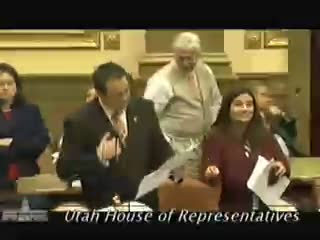
House narrowly approves second substitute for driver-license sanctions after debate on zero-tolerance penalties for youth
Summary
After extended floor debate on zero-tolerance provisions for under-21 people, the House approved second substitute SB 272 (driver-license sanctions and DUI sentencing) by a 38–37 vote; sponsors said the measure strengthens penalties, adds interlock options and contains exceptions for medicinal use and religious rites.
The Utah House passed second substitute SB 272, a driver-license sanctions and DUI sentencing bill, after heated floor debate over its zero-tolerance provisions for people under age 21.
Representative Greg Hughes, sponsor of the substitute, described the measure as part of a broader package to strengthen enforcement and deterrence for drunk and drug-impaired driving. He said penalties include longer administrative suspensions (for example, extending one suspension period from 90 to 120 days for certain adult first offenses) and the availability of ignition interlock devices as a condition for driving after suspension.
Hughes told the House: "If you're under the age of 21 and you're caught driving under the influence of alcohol, you will lose your driver's license until you're 21 years of age." He also said the substitute includes judge discretion to reduce suspensions and recognizes special exceptions.
During questioning, a member noted a Senate dissent earlier that raised concerns about mandatory suspension for 18–21-year-olds who might have alcohol in their system from non-driving sources (for example, prescribed medication or a religious sacrament). Representative Hughes pointed to language in the substitute clarifying exceptions: "the section does not apply ... for medicinal purposes if the minor is at least 18 years old," and he cited lines in the bill addressing communion and physician or dentist instructions (lines 122–127), while confirming that zero-tolerance outside those exceptions remains a component.
Several members expressed discomfort with the bill's severity for youth and the potential to penalize non-driving-related incidental alcohol exposure. The House went into a call of the body and then voted; the substitute passed narrowly, 38–37. The sponsor and supporters said judges retain some flexibility to reduce suspensions, especially for non-driving-related offenses, and that second offenses carry stiffer penalties, including longer suspension periods.
What happens next: The bill will be returned to the Senate for further consideration. Sponsors characterized the measure as part of a package aimed at reducing impaired driving while preserving limited judicial discretion.