Lifetime Citizen Portal Access — AI Briefings, Alerts & Unlimited Follows
House strikes enacting clause on budget bill to block diversion of tobacco cessation funds
Loading...
Summary
The Utah House voted to strike the enacting clause of first substitute HB 444, a procedural move that destroys the bill and signals opposition to diverting tobacco cessation funds; sponsors said cessation and CHIP funds were already restored in Senate Bill 3.
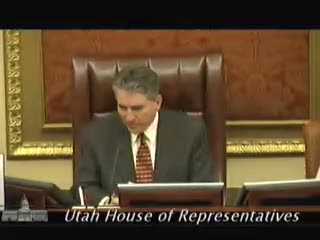
The Utah House of Representatives voted to strike the enacting clause of first substitute HB 444, a procedural action that, under suspension of the rules, effectively invalidates the bill on the House calendar.
Representative Ron Bigelow, who moved the action, told colleagues the effect of removing the clause is ‘‘to destroy the bill because it is no longer valid nor functioning as a bill.’’ He said the motion was intended to respond to constituent opposition to diverting tobacco cessation funds and to publicly confirm that the money ‘‘will not be taken.’’
Bigelow and other sponsors emphasized the vote did not change enacted appropriations. ‘‘The money is already back,’’ Bigelow said, referring to prior Senate action. He described striking the clause as a public message that lawmakers had listened to citizens who opposed using cessation funds for other programs.
Members asked for clarification about the budgetary effect. The sponsor and supporters repeatedly explained that Senate Bill 3 had restored the tobacco cessation and CHIP funding and that the House action was procedural: it removed HB 444 from the legislative files to prevent further consideration on the House calendar.
The motion to strike the enacting clause passed by voice vote; the clerk recorded the procedural disposition and the bill was returned to staff for filing. The House proceeded with other items on its concurrence calendar.
What happens next: The action is procedural; because the underlying appropriations had already been addressed in Senate Bill 3, sponsors described this as a public confirmation and not a budgetary rollback.