Get Full Government Meeting Transcripts, Videos, & Alerts Forever!
Get email alerts on the Local Finance topic
No spam. Unsubscribe anytime.
House approves SB 248 to let cities impose transit tax and allow airport uses
Summary
House passes first-substitute SB 248, expanding the additional public transit tax's allowable uses to airports and permitting cities and towns (not just counties) to impose the tax on a first-come, first-served basis; the bill passed the House 63–8 and will return to the Senate.
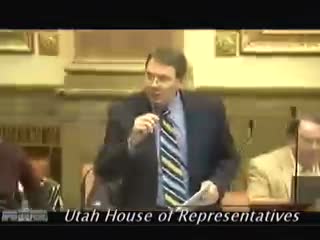
The Utah House on March 11 approved first-substitute Senate Bill 248, which expands uses and local authority for the additional public transit tax. The House recorded a vote of 63 yes and 8 no; the bill will be returned to the Senate for further consideration.
The sponsor told the House the measure does not create a new tax but broadens the permissible uses of the "additional public transit tax" — sometimes referred to on the floor as the "second quarter" — to include airports, and allows cities and towns to impose the airport, highway and public transit tax where previously only counties could. Under the bill a city or county cannot both impose the tax for the same project: imposition is on a first-come, first-served basis. The bill also sets notice and distribution requirements for local governments and the Tax Commission and amends local transportation preservation funds and county state-highway project funds so revenues must be used in the imposing city or town.
Floor remarks emphasized the bill's revenue-direction and local-control features: revenues generated by the tax must be used by the city or town that imposes it, and the bill adds procedural notice and distribution mechanics between local governments and the Tax Commission. The sponsor concluded by offering to take questions and the House moved to a recorded vote; the first substitute passed and will be signed by the Speaker for transmittal to the Senate.
The transcript does not identify the sponsor by full name in the speaking turn that outlines the bill; the floor record attributes the motion and recorded tally to the House clerk and presiding officer. The measure was presented as a policy change to permit airports and municipalities greater access to existing transit-tax revenues without creating a new statewide levy.
The bill will now proceed through the Senate's consideration and any required administrative steps specified in the bill's notice and distribution language.