Get Full Government Meeting Transcripts, Videos, & Alerts Forever!
Get email alerts on the Local Revenue topic
No spam. Unsubscribe anytime.
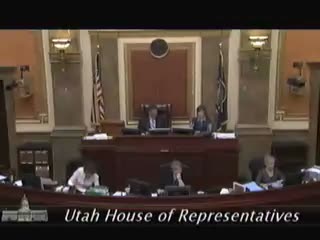
House approves narrow municipal option for ZAP tax after contested debate
Summary
House passed a first-substitute to HB439 to allow cities in first-class counties to seek a time-limited 0.1% ZAP sales-tax for local cultural/recreational projects; critics called it tax creep, supporters said voter approval is required.
The Utah House debated and approved a first-substitute to House Bill 439 on Feb. 27, permitting cities within first-class counties (chiefly Salt Lake County) to pursue a voter-authorized 0.1% sales-tax (ZAP tax) to fund botanical, cultural, recreational and zoological facilities.
Representative Holdaway presented the substitute as a targeted tool allowing cities with projects that voters support to access ZAP-style funding on an eight-year sunset. “If cities go to their voters and get approval… they can implement a second bite of the apple,” he said, describing the tax as 0.1% and time-limited.
Critics flagged the cumulative effect of multiple local levies — restaurant taxes, car-rental taxes, hotel taxes and the ZAP tax — and warned that the measure, while technically a municipal option, enables additional local tax increases if voters approve. Representative Wimmer called the ZAP tax a “nice to have” and urged defeat given statewide revenue constraints.
Supporters stressed the voter-authorization safeguard and argued the measure provides cities a tool to fund civic amenities where county funding is not available. On final tally the House passed the first substitute 38–33 and referred the bill to the Senate for further consideration.
Next steps: the bill goes to the Senate committees assigned by Rules; if enacted, affected cities would still need voter approval in municipal or general elections per the bill’s election provisions discussed on the floor.