Get Full Government Meeting Transcripts, Videos, & Alerts Forever!
Get email alerts on the Health Insurance topic
No spam. Unsubscribe anytime.
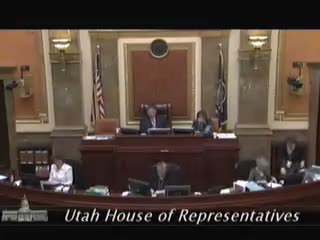
Utah House passes prosthetic parity bill after floor debate over mandates and costs
Summary
The House passed House Bill 89, a measure requiring private health insurers to cover medically necessary prosthetic devices at Medicare-standard levels; sponsors said the fiscal impact is minimal, opponents warned mandates would raise premiums for small employers and individuals.
The Utah House of Representatives voted to approve House Bill 89 on Feb. 27, a measure that would require health insurers in the state to cover medically necessary prosthetic devices using Medicare coverage standards.
Sponsor Representative Litvak moved to uncircle and bring HB89 before the floor, telling colleagues the bill addresses a trend of shrinking prosthetic coverage. “This is a mandate,” the sponsor said in debate, arguing the mandate is narrowly focused and that estimates based on other states showed an impact ranging from $0.03 to $0.28 per member per month.
Supporters framed the bill as a corrective to coverage gaps. Representative Mascaro described cases in which insurers paid for surgical implants but not prosthetic replacements, calling that “something wrong with that picture.” He cited Colorado’s experience, saying similar legislation produced Medicaid savings in the first two years there.
Opponents warned the bill amounts to a new requirement for insurers whose plans already offer prosthetic benefits. Representative Lockhart and others argued that the mandate would increase costs borne by small businesses and people in the small-group and individual markets, which they said would carry much of the added premium.
Sponsor responses addressed scope and limits: the bill does not apply to ERISA/self-funded employer plans, the sponsor said, and uses Medicare’s baseline standard (which is already applied in Medicaid). The sponsor also pointed to a PEHP state-employee plan limit—an example where beneficiaries must wait years for a replacement—that the bill seeks to correct by allowing medical-necessity exceptions.
The House closed debate and voted. HB89 passed the chamber 46–27 and was referred to the Senate for consideration.
The next formal step is Senate consideration; supporters said they would press the case that the bill’s fiscal impact is minimal and that it would restore access for an estimated 5,000 Utah residents (about 40 percent of the state’s amputee population, per sponsor handout).