Get Full Government Meeting Transcripts, Videos, & Alerts Forever!
Get email alerts on the Federal Stimulus topic
No spam. Unsubscribe anytime.
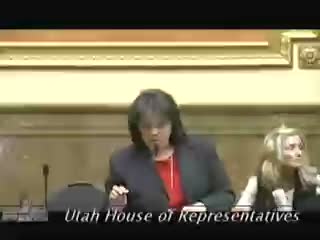
Congressman Chaffetz and Senator Hatch press concerns about stimulus and process during addresses to the Utah House
Summary
Congressman Chaffetz and Senator Orrin Hatch addressed the Utah House in separate Committee of the Whole sessions, criticizing the federal stimulus process, warning about long-term fiscal impacts and urging better bipartisanship and scrutiny; Chaffetz said he voted against the stimulus and estimated Utah might receive about $1.5 billion in one-time funds.
The Utah House heard separate addresses from Congressman Chaffetz and Senator Orrin Hatch during Committee of the Whole sessions on Feb. 16, both criticizing aspects of the federal stimulus and urging careful oversight.
Congressman Chaffetz, newly returned from Washington, told the House he voted no on the stimulus package and called the drafting and consideration process "legislative malpractice." He said the $1 trillion package was driven more by spending than by immediate job creation and asserted that "not 1 member of the United States Congress read that bill." He told representatives his initial estimate was Utah could expect roughly $1.5 billion but cautioned that many program details and matching or waiver requirements remained unclear. "This bill lacks specifics," Chaffetz said, and he emphasized concern about process and the speed of floor action.
Members asked Chaffetz for more precise timing and conditions tied to stimulus funds. He said he lacked specifics and recommended continued work with the state's delegation and the governor's office to get details and to protect state authority where appropriate.
Later, Senator Hatch addressed members and echoed fiscal concerns about long-term deficits, describing the stimulus package as heavy on spending relative to other measures. Hatch urged bipartisanship, referenced prior work on CHIP and other bipartisan legislation, and said the nation must guard against runaway federal spending. Both officials fielded members' questions about water, agriculture and how stimulus authority is likely to be allocated among state and federal actors.
Why it matters: The remarks provide insight into federal-state dynamics as Utah lawmakers weigh potential federal dollars and conditions during a session already facing projected state revenue declines. Lawmakers sought clarity on timing and strings attached to federal funds as they consider balancing options.
No formal actions resulted from the addresses; they were informational and followed by Q&A.