Get Full Government Meeting Transcripts, Videos, & Alerts Forever!
Get email alerts on the Emergency Management topic
No spam. Unsubscribe anytime.
House approves Good Samaritan immunity for volunteer engineers in emergencies, despite objections
Summary
The House passed SB97 to grant limited immunity to volunteer architects and engineers conducting emergency assessments after a declared emergency; critics called the liability shield overly broad but the measure passed 64-10.
The Utah House voted to pass Senate Bill 97 on Feb. 17, a measure that provides limited immunity to architects and engineers who volunteer to perform emergency evaluations or assessments during declared emergencies or catastrophes.
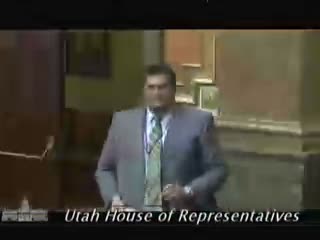
Representative Gibson, explaining the bill after it was uncircled, said the measure allows governors or local presiding officers to summon professionals to assess infrastructure (bridges, roads) during emergencies without immediate contracting delays. "What we're looking for in this bill is to be able to allow...engineers or architects to go out and to work well within the scope of their service, to be able to lend some expert advice," Gibson said.
Representative King objected to the immunity language as "troubling and objectionable," arguing the provision risks eroding accountability and could invite bad behavior if individuals are not held responsible for consequences. Gibson responded that the bill includes a provision excluding immunity for acts outside a professional's licensure scope and emphasized the measure applies to emergency evaluations summoned by officials.
The House adopted the bill and recorded a 64-10 vote in favor; the bill will be signed by the Speaker and returned to the Senate for the President’s signature.
Why it matters: supporters said the bill expedites emergency response by enabling qualified professionals to act quickly; critics warned the immunity language needs narrowing to preserve accountability. The bill includes language intended to limit immunity to actions within licensure scope.
What’s next: the bill will be signed by the Speaker and returned to the Senate for final processing.