Get Full Government Meeting Transcripts, Videos, & Alerts Forever!
Get email alerts on the Energy Policy topic
No spam. Unsubscribe anytime.
House passes renewable-energy resolution but rejects amendment to add 'nuclear'
Summary
A proposed floor amendment to add the word 'nuclear' to a second-substitute joint resolution on renewable energy failed after extended debate over definitions, federal jurisdiction and water/waste concerns. The resolution passed 64-0 in the House as amended in committee.
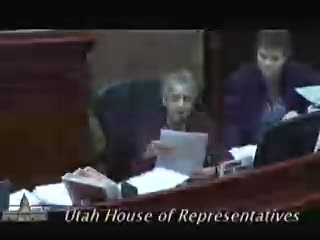
The Utah House considered a second-substitute joint resolution supporting renewable energy on Feb. 17 and rejected a floor amendment that would have inserted the word "nuclear" after "hydro" in multiple lines.
Representative Rebecca Chavez Houck presented the resolution, describing it as a non-binding collaborative step to formalize the role of local government ordinances in renewable-energy development. Representative Dawe moved to insert "nuclear" at four places in the resolution. A representative arguing for the amendment described nuclear power as a low-emissions option, saying it is "the one source of energy... 0 emissions, 0 CO2, 0 pollution," and urged inclusion of nuclear as part of the state’s portfolio.
Opponents said the amendment would muddy the resolution’s definition of renewables, pointed to federal jurisdiction over nuclear power, and raised concerns about water use and long-term waste management. Representative Allen said water consumption in Utah is a concern for nuclear power; Representative King highlighted waste and disposal issues. After debate, the motion to add "nuclear" failed on a voice vote and the second-substitute SJR1 ultimately passed the House 64-0 as amended in committee.
Why it matters: the floor exchange highlighted ongoing disagreements about whether nuclear belongs in the policy conversation on renewables, balancing emission-reduction arguments against resource constraints and federal oversight.
What’s next: SJR1 will be referred to the Senate for its consideration.