Get Full Government Meeting Transcripts, Videos, & Alerts Forever!
Get email alerts on the Agriculture topic
No spam. Unsubscribe anytime.
House passes bill increasing penalties for wanton destruction of livestock after rural shootings prompt bill
Summary
First Substitute House Bill 240, increasing criminal penalties and authorizing forfeitures for wanton destruction of livestock, passed the House 70–0 after sponsors cited recent shootings and described safeguards for veterinarians and owners.
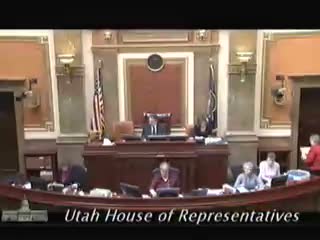
The Utah House passed First Substitute House Bill 240 on Tuesday, increasing penalties for persons who unlawfully and wantonly destroy livestock. The bill passed unanimously, 70–0, and was referred to the Senate for consideration.
Representative Rhonda Menlove, sponsor of the substitute bill, framed the legislation as a response to a series of recent incidents in places like Skull Valley and Vernon where livestock were shot and left to die. “This bill increases the penalties,” Menlove said, and may include loss of a vehicle or weapons used in the crime. She emphasized working closely with agricultural groups, the Attorney General’s Office and the Division of Wildlife Resources in drafting the measure.
Several members sought clarification on scope and safeguards. Representative Hutchings and others asked about exemptions for veterinarians and owners who might need to euthanize animals for humane reasons. Menlove and supporters said the bill carefully distinguishes wanton destruction by a third party from lawful or humane actions involving an owner or a veterinarian. Representative Mathis explained an additional rationale for the veterinarian language, noting that impounded animals in poor condition should be eligible for humane euthanasia rather than being required to be sold at auction.
Questions also focused on the bill’s interaction with existing STRAY law and county authority over impounded animals. Sponsors said the bill does not replace stray-animal procedures but adds authority for the Division of Wildlife Resources to help in areas counties cannot access, with owner-notification protections built in.
Supporters described the bill as essential for large ranching and agricultural areas where property is remote and surveillance limited. Representative Menlove noted the emotional and economic toll of livestock losses on small-margin agricultural operations and urged support; the House passed the substitute bill unanimously.