Get Full Government Meeting Transcripts, Videos, & Alerts Forever!
Get email alerts on the Tax Policy topic
No spam. Unsubscribe anytime.
House approves study of a Taxpayer Advocate program after procedural debate
Summary
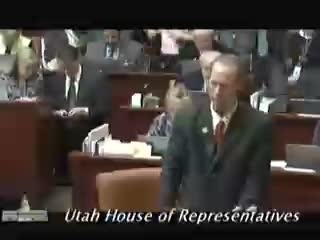
The Utah House voted 42–32 to send a study of a taxpayer advocate program (HB80) to interim committee after debate over whether the prioritization should follow normal master prioritization processes or be run now as legislation.
Representative Keith Grover introduced HB80 to send a study of a Taxpayer Advocate program to an interim committee for consideration. Proponents described the study as a way to examine best practices and options used in other states to protect taxpayers and improve administrative responsiveness.
The bill prompted procedural debate. Representative Lipback and others questioned whether prioritization for interim studies should be handled by the usual master prioritization process at session's end rather than via early legislation. Representative Lipback cautioned that requiring interim committees to study particular items risks a "slippery slope" of prescriptive session‑year scheduling.
Opponents said the bill would grow government or duplicate work already undertaken by the Revenue and Taxation interim process; Representative Moss argued the measure would expand government unnecessarily. Supporters, including Representative Wimmer, said a study could yield taxpayer‑friendly reforms and that running a study by bill is procedurally permissible.
A motion to end debate (previous question) carried, and the House approved HB80 42–32. The bill will be transmitted to the Senate and assigns the study to an interim committee for further work.
Floor record shows the vote was contested and reflected differing views about process and scope; sponsors said the committee study would determine whether a taxpayer advocate or similar structure is warranted. The bill's passage sends the question into the interim process for more detailed consideration before any policy or legislative changes would be proposed.