Get Full Government Meeting Transcripts, Videos, & Alerts Forever!
Get email alerts on the Health Policy topic
No spam. Unsubscribe anytime.
House amends and passes Health Care Patient Identity Protection bill to curb medical identity fraud
Summary
First substitute House Bill 81, aimed at preventing identity theft and medical insurance fraud, was amended on the floor to clarify permitted uses of requested ID and HIPAA compliance, then passed 66–0 and will be transmitted to the Senate.
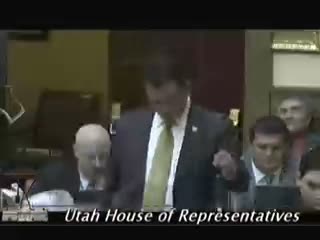
The Utah House amended and approved First Substitute House Bill 81, Health Care Patient Identity Protection, during its Jan. 30 session. The sponsor, returning the bill to the floor, said the measure targets growing identity theft and medical insurance fraud where individuals use other people's identities to obtain treatment and leave the consequences to the identity owner.
Representative Whitbeck offered Amendment No. 1 (dated Jan. 03, 2009) to reaffirm the bill's intent — that identity information sought be used for medical records and that any collection comply with the Health Insurance Portability and Accountability Act (HIPAA). The sponsor described the amendment as friendly and accepted it. The bill's sponsor and supporters repeatedly emphasized that emergency medical care would remain protected under federal EMTALA rules.
Following the amendment, voting opened and First Substitute HB81 passed with 66 yes and 0 no votes. The bill will be referred to the Senate for further consideration. The floor record does not show additional implementation details or funding; sponsors said the bill's purpose is to reduce identity- and insurance-fraud impacts on victims and the health-care system.
Stakeholders interested in patient privacy, hospital administration and law enforcement will likely track the bill as it moves to the Senate for further review.