Get Full Government Meeting Transcripts, Videos, & Alerts Forever!
Get email alerts on the Real Property Transfer Fees topic
No spam. Unsubscribe anytime.
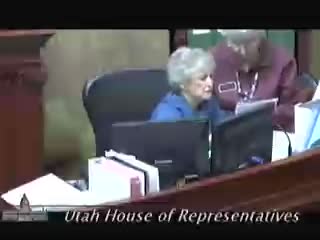
Utah House debates limits on private real‑estate transfer fees amid split over exemptions
Summary
House floor debate over first substitute SB161 centered on banning certain private transfer fees while allowing limited 'reinvestment' fees tied to homeowners associations, exemptions for large master plans and a grandfathering window for existing recorded fees. Voting on the substitute was opened in the transcript but a final passage result is not recorded there.
Representative Rebecca Lockhart presented first substitute Senate Bill 161 on March 9, telling colleagues the measure would distinguish abusive private transfer fees from legitimate reinvestment fees and require transparency for future property buyers. She said the bill allows a limited reinvestment fee that "would be allowed, and those are the fees that go back to the associations that increase the value of the property."
Supporters described private transfer fees as an "equity skimming" practice that can burden future buyers and run with title for decades. Representative (sponsor supporters) argued the bill protects consumers by requiring recorded notice and by making many private transfer-fee schemes illegal going forward. The bill includes a grandfathering provision for fees recorded before a cutoff: owners or entities with existing transfer fees would have until May 31 to record them to be preserved under the bill’s terms.
Opponents urged caution on two fronts: narrow drafting and the scope of state limits on private property transactions. Representative Morley said he was "uncomfortable that as a state we are looking at ... protect people from themselves," and sought amendments that would broaden who could receive reinvestment fees and raise the proposed cap from 0.5 percent to 1 percent. Representative Webb and others cautioned that homeowner governance (HOAs) was the mechanism by which funds would be returned to properties and that removing HOA oversight could enable funds to be diverted.
Members debated a divided motion to amend text on Line 91 (who may receive payments) and Line 127–128 (the fee cap and an exemption for large master-plan developments defined as projects over 500 acres or 500 units). The House voted down amendments to remove the HOA requirement and to raise the cap. Several members declared conflicts of interest or noted they could lose income depending on the outcome.
The transcript records that voting was opened on First Substitute SB161 but does not contain a final passage result. The debate highlighted three concrete policy elements: a recording/grandfathering deadline (May 31) for existing transfer fees; a 0.5% cap in the substitute (subject to failed amendment efforts to change it); and an exemption from that cap for very large master-plan developments (the bill defines those as projects over 500 acres or 500 units).
The Legislature’s next procedural steps were not recorded in the provided transcript extract. If enacted as presented, the measure would criminalize or make unenforceable certain long-running private transfer-fee arrangements while preserving a limited, HOA‑administered reinvestment fee tied to property amenities and governance.