Get Full Government Meeting Transcripts, Videos, & Alerts Forever!
Get email alerts on the Employment Verification topic
No spam. Unsubscribe anytime.
House passes E-Verify bill after marathon debate over accuracy, discrimination and small-business burden
Summary
After hours of floor debate, the Utah House passed first substitute SB251, a bill tied to use of E-Verify and other employment-eligibility systems. Supporters cited child identity-theft concerns; opponents warned of errors and burdens on small employers.
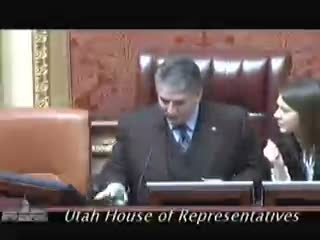
The Utah House passed first substitute Senate Bill 251, Verification of Employment Eligibility, by a recorded vote of 46–24 after prolonged debate over the reliability of electronic verification systems and the burden the measure could place on small employers.
Representative Harrods, the House floor sponsor, opened the discussion by arguing the state faces “an epidemic of child identity theft,” citing an estimate that “roughly 50,000 children have had their identity stolen” and saying E-Verify and similar systems help catch fraudulent use of Social Security numbers and protect workplaces. He described penalties as limited and emphasized incentives and liability protections for employers who use the system.
Opponents raised concerns about false positives, administrative burden and potential disparate impact. Representative Wheatley warned that “an employer’s typo or job applicant’s poor handwriting is enough to confound an electronic verification system and block citizens and other authorized workers from employment,” and highlighted data showing higher rates of erroneous flags for people with nontraditional or multiple names. Representative Silic and others questioned to whom a worker or employer would appeal an inconclusive verification and whether federal enforcement or civil liability could follow.
Lawmakers proposed multiple amendments. Representative Liptbach moved to ease the burden on small businesses by raising the employee cutoff; that motion failed. Representative Anderson offered a substitute motion designed to preserve liability protections and voluntary registration while removing language opponents called a de facto mandate; the substitute motion failed. Several members argued for compromise: proponents said the system provides an affirmative defense for employers who attempt to verify eligibility, while opponents pointed to small firms that lack human-resources capacity.
Supporters stressed public-safety and fiscal rationales. Representative Harrods and allies argued that E-Verify and similar tools prevent identity theft cases that impose substantial costs on victims and taxpayers and that the program offers an affirmative defense that protects employers who use it in good faith. Representative Keiser and others, speaking from personal experience with identity theft, urged passage.
After debate and the rejection of amendment proposals, the House approved first substitute SB251 46–24. The bill will be returned to the Senate for the President’s signature.
The next procedural step is Senate action on the House-signed measure; no court or federal action was recorded on the floor that would change state implementation requirements.