Get Full Government Meeting Transcripts, Videos, & Alerts Forever!
Get email alerts on the Sb 232 Hiring Freeze topic
No spam. Unsubscribe anytime.
House panel amends judicial hiring‑freeze language after heated debate; bill circled for further consideration
Summary
Floor debate over Senate Bill 232 centered on whether a hiring freeze for judicial vacancies should be decided by unanimous agreement or by majority among four officials (governor, Senate president, House speaker, chief justice). The House adopted an amendment restoring 'majority' and then circled the bill for further work.
A prolonged floor debate March 10 focused on Senate Bill 232, which establishes a process for imposing a temporary hiring freeze for judicial vacancies when severe budget constraints appear likely.
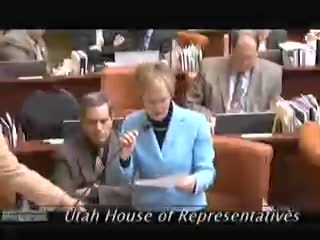
Sponsor Representative Curtis Oda told the House the bill creates a mechanism for the Judicial Council to approach the governor, the House speaker, the Senate president and the chief justice to decide whether to freeze new judicial hires when funding is inadequate. On the House floor the Senate had amended the bill to require unanimous agreement; Representative Juli Fisher offered an amendment to restore the decision threshold to a majority.
Oda argued the unanimous threshold would give one person effective veto power over the rest and said a majority requirement is prudent to avoid paralysis. Other members pushed back, saying majority reduces the deference given to the judicial branch and could leave courts as the 'odd man out' on staffing decisions. Members asked for clarifications about who initiates the process, how votes are tallied and how the 90‑day minimum freeze would operate relative to the legislative session calendar.
After floor debate the House adopted the amendment replacing 'unanimous' with 'majority.' Several members voiced continuing concern that the change diminished the judiciary’s role; Representative Julie Fisher moved to circle the bill so sponsors could consult further, and the motion to circle passed. There was no final passage of the bill on the floor that day.
The record shows the dispute centered on institutional deference and the mechanics of a cross‑branch decision during budget stress, not on whether a hiring‑freeze authority should exist at all. The body’s action — adopting majority and then circling the bill — leaves the issue open for further negotiation between the branches and leadership.