Get Full Government Meeting Transcripts, Videos, & Alerts Forever!
Get email alerts on the Environmental Litigation Limits topic
No spam. Unsubscribe anytime.
House amends and passes bill raising proof standard for climate‑related claims
Summary
HB395, which limits liability for greenhouse‑gas emissions claims unless plaintiffs show 'clearly unavoidable and identifiable' damages tied to statutory/permit violations, was amended on the floor and passed 49‑19. Supporters argued it protects local industry; opponents said it preempts judicial processes.
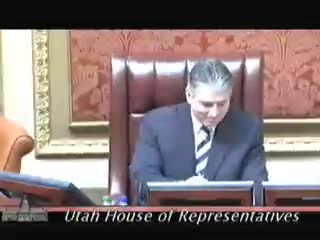
The Utah House on March 1 amended and approved HB395, a measure that narrows the circumstances under which plaintiffs can sue for damages tied to greenhouse‑gas emissions.
Representative Michael Noel, the sponsor, said the bill restricts liability except when a defendant violated an enforceable statutory limit or an operating permit and when the plaintiff can show "clearly unavoidable and identifiable damage." He argued the measure protects energy and manufacturing businesses from unduly broad litigation that could raise utility costs. "I really believe strongly that we have to get out ahead of this," Noel said during summation, pointing to pending federal activity and existing litigation elsewhere.
Opponents questioned whether Utah has current cases that this bill would affect and criticized the bill as a prospective, one‑size‑fits‑all solution that may foreclose accountability. Representative King argued the burden of proof is too high and asked whether any Utah lawsuits exist now that would be within the bill's scope; the sponsor acknowledged none were pending locally but pointed to litigation elsewhere.
Representative Viskupski moved—and the House adopted—amendments to replace the word "irrefutable" with a recognizably legal standard ('clearly') to improve judicial compatibility. Further substitute language clarified similar phrasing elsewhere in the bill for consistency.
On final passage the Reading Clerk reported HB395 passed the body 49 yes, 19 no; the bill will be transmitted to the Senate for its consideration.
What happens next: The bill is sent to the Utah Senate where committees may hold further hearings. Any proposed judicial or statutory interpretation will be decided after the enrolled text is finalized.