Get Full Government Meeting Transcripts, Videos, & Alerts Forever!
Get email alerts on the Tobacco Tax topic
No spam. Unsubscribe anytime.
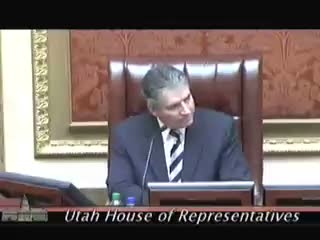
House approves substitute tobacco-tax bill after hours of debate; 39–35
Summary
The Utah House passed first substitute HB 196 on March 2, 2010, raising the cigarette tax to roughly $1.695 per pack and adding a 3‑year escalator tied to a national average; the floor vote was 39 yes, 35 no. Multiple amendments to earmark revenue for enforcement, public health or the National Guard failed.
The Utah House of Representatives passed first substitute House Bill 196 on March 2, 2010, voting 39 to 35 to raise the state cigarette tax to about $1.695 per pack and to add a three‑year automatic adjustment intended to keep Utah roughly $0.10 above a specified national average.
Representative Ray, who sponsored the substitute, told colleagues the measure is aimed primarily at reducing smoking and preventing youth initiation while also generating revenue. Ray said the bill's escalator clause will recalibrate taxes every three years by taking a national average that excludes six tobacco‑producing states and ensuring Utah’s tax remains at least $0.10 higher (Representative Ray). He also noted a $250,000 earmark in the text for the Gold Medal School program, a school‑based fitness and prevention program (Representative Ray).
Why it matters: Sponsors argued the tax will lower smoking rates and reduce long‑term health and Medicaid costs. Ray and others referenced an estimate of roughly $368 million in annual tobacco‑related costs to the state (including Medicaid and related expenses) and said higher prices discourage youth use. Opponents said the bill relies on uncertain fiscal assumptions and warned about economic impacts on retail businesses and potential cross‑border sales shifting revenue outside affected communities.
Key debate and amendment attempts: On the floor, Representative Hughes pressed the sponsor about a discrepancy in fiscal estimates: the fiscal note projected roughly $43–44 million in additional revenue in the next year, while other estimates cited a $53.9 million change in business revenues; Hughes asked where the $1.9 million difference was accounted for (Representative Hughes). Supporters said convenience stores would bear most of the retail revenue loss and that the fiscal-note methodology accounts for sales shifts.
Several amendments were proposed and defeated: Representative Frank offered an amendment to redirect about $4 million (roughly 10% of projected proceeds) annually to the Department of Public Safety to cover incremental enforcement and forensic costs; floor debate cited both enforcement burdens and precedent for targeted allocations, but the motion failed on roll call, 29–43. Representative Hutchings proposed dedicating receipts to tobacco‑related programs in the Department of Health and Department of Human Services; Representative Harper proposed an amendment to fund National Guard tuition assistance ($527,000 ongoing). Both amendment motions failed on division or roll call (final tallies recorded on the floor).
Proponents’ view: Supporters including Representative Ray said higher tobacco taxes reduce consumption, prevent youth initiation and provide funds to address state fiscal pressures. Representative Draxler and others framed the bill as a combined public‑health and revenue measure that helps the state cope with budget shortfalls.
Opponents’ view: Opponents argued the approach risks shifting retail sales to untaxed jurisdictions, creating illicit markets and harming convenience stores. Several members emphasized that statutory earmarking bypasses the normal appropriations process and urged that spending priorities be decided through budget committees.
Next steps: The bill passed the House and will be transmitted to the Utah Senate for further consideration.