Get Full Government Meeting Transcripts, Videos, & Alerts Forever!
Get email alerts on the Administrative Subpoena topic
No spam. Unsubscribe anytime.
House approves narrowed administrative subpoena authority for select crimes
Summary
The Utah House passed first substitute House Bill 150, limiting administrative subpoena authority to three crime categories (crimes against a minor, child kidnapping and cyberstalking) and requiring summary reporting; the measure passed 48–20 and proceeds to the Senate.
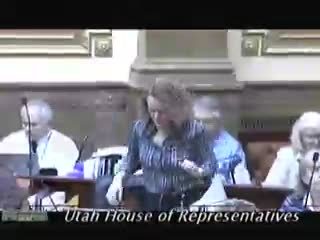
The Utah House on Feb. 26 approved a narrowed version of House Bill 150 that gives state investigative agencies limited administrative subpoena authority in specified criminal investigations. The measure, adopted as a first substitute, passed the House 48–20 and will be transmitted to the Senate.
Sponsor Representative Dahl said the substitute tightens language and restricts the authority to three types of crimes: offenses against minors, kidnapping of a child and cyberstalking, a change he said was intended to address concerns about overly broad investigative power. “We are tightening the language… and restricting the number of crimes to 3 specific crimes,” Dahl said on the floor.
Lawmakers who supported the substitute said the change preserves constitutional safeguards while giving law enforcement a tool to identify suspects in cases where the lack of identifying information makes traditional warrants impractical. Representative Powell said the bill limits the information that may be obtained to noncontent metadata and names, and reported that the sponsor worked with the attorney general’s office to narrow the scope.
Opponents raised Fourth Amendment concerns and warned against expanding agency authority. Representative Harper asked what other agencies use administrative subpoenas and whether the change could erode constitutional protections; he said he remained opposed. Representative King and others pressed the sponsor on reporting requirements, and Dahl said agencies would report raw numbers of subpoenas to the Commission on Criminal and Juvenile Justice (CCJJ) so the Legislature can track usage.
During floor discussion, Dahl and colleagues described cyberstalking as often presenting a dead end with existing authorities: “Cyberstalking is a misdemeanor. Right now…the attorney general sees anywhere from 100 to 500 complaints that would be classified as cyberstalking per year,” Dahl said, arguing that an administrative subpoena could provide investigative leads in those cases. Supporters also emphasized limits on data collection and oversight steps in the substitute.
The House voted to pass the first substitute 48 yes, 20 no. The measure will be transmitted to the Senate for further consideration.
Voting and next steps: The House recorded 48 votes in favor and 20 opposed on the first substitute of HB150; the bill now goes to the Senate.