Get Full Government Meeting Transcripts, Videos, & Alerts Forever!
Get email alerts on the Government Records topic
No spam. Unsubscribe anytime.
House Approves Changes to Government Records Act to Clarify Electronic Requests
Summary
The Utah House passed second substitute House Bill 278 to clarify electronic-record requests and streamline notice for expedited requests; supporters said cities and the League agreed and opponents warned five-day expedited timelines can burden large agencies like corrections.
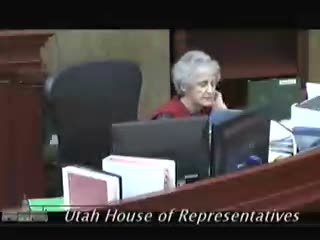
The Utah House on Feb. 23 approved second substitute House Bill 278, a change to the Government Records Access and Management Act that allows requesters to specify they want records in electronic form and requires agencies to provide notice if they deny an expedited request.
Representative Herrod, the bill’s sponsor, told the House the measure simply lets someone requesting records ask for electronic copies and clarifies the process for expedited requests: if a requester asks for expedited handling and the agency believes the request does not meet that standard, the agency must notify the requester rather than simply ignore the request. He said the League of Cities and the Utah Association of Counties reviewed the bill and were comfortable with it.
Representative Biskupski opposed the bill in its current form, arguing that the five-day window for expedited handling is difficult for large agencies such as the Department of Corrections, where requests can require extensive manual data work. He said the five-day standard could impose significant time and fiscal burdens on large bureaus that receive numerous and complex requests.
Representative Falk urged support, noting the bill had been considered twice in committee and revised in response to stakeholder concerns. After brief summations, the House opened and closed voting; second substitute HB278 passed the House 63-10 and was referred to the Senate for consideration.
The bill’s next steps are transmission to the Senate; proponents said the change is procedural and intended to modernize record requests to better accommodate electronic records. The House recorded the vote and referred the bill to the Senate for its consideration.