Get Full Government Meeting Transcripts, Videos, & Alerts Forever!
Get email alerts on the Occupational Licensing topic
No spam. Unsubscribe anytime.
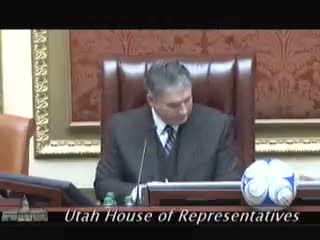
House floor battle over construction-licensing bill centers on 'handyman' exemption
Summary
Lawmakers debated Senate Bill 85 (construction trade licensing act amendments) over whether to retain a longstanding 'handyman' exemption allowing incidental work up to $3,000 without licensure. A floor amendment to reinstate that language prompted lengthy argument and the House ultimately circled the bill for further work.
Representative Edwards, sponsor of Senate Bill 85, told the House SB85 gives state plumbing and electrical licensing boards authority to define apprenticeship supervision by rule and includes technical housekeeping tied to last year’s Senate Bill 163. On the floor, Representative Wright moved a substantive amendment that would delete new language and reinstate a longstanding 'handyman' exemption allowing individuals to perform incidental work (faucets, light fixtures, similar minor tasks) up to $3,000 with a contract or bid.
Supporters of the Wright amendment, including Representative Morley and others, said the handyman exemption has existed in Utah for decades and is necessary in rural and agricultural areas where property owners rely on capable but not currently licensed residents to perform small repairs. "This does not take away your responsibility or opportunity to choose anyone you want," Representative Wright said. Representative Morley described situations where requiring a licensed contractor for incidental repairs (e.g., reconnecting a sink) would be onerous and expensive.
Opponents, including Representative Edwards (speaking for the bill’s Senate sponsor), said the reinstatement would undo the bill's purpose and conflict with last year's statutory changes; they argued the bill structures licensing for public safety and that rulemaking boards should define supervision and apprenticeship practices. Edwards called the Wright amendment "not a friendly amendment" and said the reinstated language would create conflicts with enacted code.
The House ultimately considered substitute motions and a proposal to "circle" SB85 — a procedural move to remove it from immediate consideration so sponsors can negotiate changes. After debate and a substitute motion, the House voted to circle SB85, meaning the bill will not progress further on that calendar day and sponsors indicated they would continue work to find a compromise.
Why it matters: The debate turned on consumer safety, labor standards and the practical needs of homeowners and small agricultural operations. Lawmakers who supported the amendment stressed access and affordability for incidental repairs; opponents stressed consistent licensing standards and consumer protections. The bill was circled for further work rather than being passed or defeated on the floor.