Get Full Government Meeting Transcripts, Videos, & Alerts Forever!
Get email alerts on the State Health Policy topic
No spam. Unsubscribe anytime.
House passes health-system amendment defining 'federal health care reform' after heated debate
Summary
After several hours of debate over fiscal and constitutional risks, the Utah House on Feb. 11 approved First Substitute House Bill 67, as amended, by a 53–20 vote. Sponsor Rep. Karl Wimmer said the amendment clarifies what the legislature means by 'federal health care reform.'
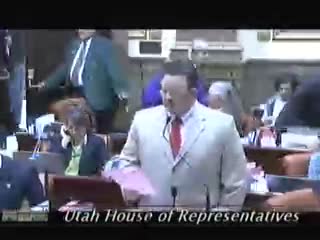
Representative Karl Wimmer, sponsor of First Substitute House Bill 67, led a substantive floor debate Wednesday on an amendment that defines the phrase “federal health care reform” and establishes a review process before federal provisions take effect in Utah.
Wimmer told the House the amendment defines federal reform to include an individual mandate to buy insurance, any employer mandate on small businesses, penalties on employers who do not provide coverage, expansions of Medicaid or CHIP and the creation of new government-run insurance programs. “This is the definition of federal health care reform that we have decided that we're going to put into the bill,” he said during floor remarks.
Opponents pressed the bill on fiscal and constitutional grounds. Representative Wimmer and others warned the state faces a substantial budget shortfall; Wimmer noted the Legislature could be on the hook for hundreds of millions in additional Medicaid costs if federal reform is enacted. Representative Riesen and Representative Mascaro raised concerns about the bill’s possible conflict with the U.S. Constitution’s Supremacy Clause and Utah’s own separation-of-powers provisions, arguing the legislation could restrict executive authority and expose the state to legal challenge.
Representative Moss offered a second-substitute proposal that would have replaced the bill’s title and body with a version including benchmarks the state should meet before attempting to opt out of federal provisions. Moss said the substitute was intended to avoid unintended harm to vulnerable Utahns and to preserve public-program protections for children and low-income residents.
Wimmer responded that the bill is intended to give the Legislature a clear role to review federal mandates and guard citizens’ liberties, saying the House is “the stopgap for the people of this state.” After debate and votes on competing amendments, the House adopted Amendment No. 1 to Representative Wimmer's bill and then passed the first substitute bill, as amended, by voice roll call, 53 yes to 20 no. The House Clerk announced the bill will be transmitted to the Senate for consideration.
What happens next: the measure as amended will go to the Senate for its consideration. If enacted, the bill would create a legislative review process for federal health-care changes described in the amendment; opponents said the bill raises potential constitutional questions and could risk federal funding if the state attempts to block federal provisions.