Get Full Government Meeting Transcripts, Videos, & Alerts Forever!
Get email alerts on the Inmate Health Insurance topic
No spam. Unsubscribe anytime.
Utah House rejects bill to require insurers to cover inmate medical costs
Summary
After hours of debate over cost-shifting and small-business impact, the Utah House voted down House Bill 22, which would have allowed the Department of Corrections and county jails to bill private health insurers for medical care for incarcerated people; the measure failed 30–44.
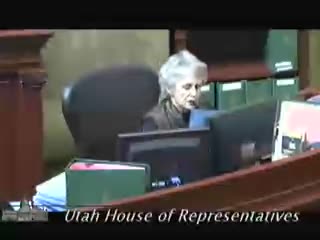
SALT LAKE CITY — The Utah House of Representatives on Tuesday rejected House Bill 22, the "Inmate Health Insurance Amendments," after an extended floor debate about who should bear the cost of medical care for people in custody.
The bill, sponsored by Representative Ray, would have allowed the Department of Corrections and county jails to seek payment from an incarcerated person’s private health insurance if a valid policy existed while the person was in custody. Ray told colleagues the change could reduce state and county medical spending: "With the Department of Corrections, they spend about $23,000,000 on medical services paid for by the taxpayer," he said on the floor, adding that only a small number of inmates — roughly 17 — were known to have active policies.
Supporters argued the measure was a narrow effort to avoid duplicative public spending when premiums already had been collected by insurers. Representative King, a backer of the bill, said insurers accepted premiums and should bear the portion of claims that policies cover, noting the bill excludes claims for self-inflicted injury and violence among inmates.
Opponents said HB22 was, in practice, an insurance mandate that would shift costs and administrative burdens onto small employers and could raise premiums. Representative Dunigan warned that small employers who cannot self-insure under ERISA would bear the financial and administrative risk. Other critics, including Representative Bird and Representative Keiser, said insurers had not provided actuarial evidence supporting claims about the bill’s impacts, and they cautioned about unintended COBRA and rating consequences for small-group plans.
Lawmakers debated several amendments intended to narrow administrative burdens — including a proposal to allow insurers to apply existing out-of-network terms when DOC or county providers lacked a participating contract — but those changes did not change the final outcome. Representative Litvak offered an amendment (adopted earlier in debate as friendly) to clarify use of out-of-network terms when no participating agreement existed.
After hours of back-and-forth about principle and cost — whether the state or the private insurer should pay for care while someone is incarcerated — the House voted. "HB 22, as amended, fails this body by a vote of 30 yes and 44 nays," the presiding officer announced.
The bill’s sponsor said the measure was intended to be limited and to help taxpayers; opponents said it risked shifting costs to small businesses and lacked the actuarial basis to justify such a policy change. The bill will be referred to staff for filing.