Get Full Government Meeting Transcripts, Videos, & Alerts Forever!
Get email alerts on the Criminal Justice topic
No spam. Unsubscribe anytime.
Utah House narrowly rejects bill to remove some non‑minor kidnappings from public registry
Summary
The House voted 37–38 to reject HB281, which would have removed certain simple kidnapping convictions not involving minors from the public offender registry while retaining registration and monitoring requirements; sponsors said it corrects past overreach, opponents — including law‑enforcement and victims groups — warned of public‑safety risks.
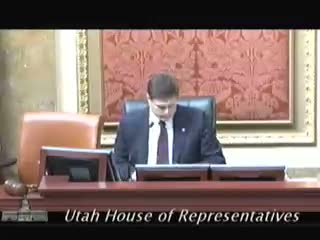
The Utah House of Representatives on March 3 rejected House Bill 281, a measure that would have removed certain convictions for simple kidnapping not involving minors from the public sexual‑offender and kidnapping registry. The final tally was 37 yes and 38 no, and the bill was returned to staff for filing.
Representative Cox, sponsor of the bill, told members HB281 was a narrow correction intended to align the public registry with current statute and to restore opportunities for work and housing to people who, "if they were convicted today, would not be on the public registry." Cox said those removed would still be required to register, pay fees and remain on an enforcement list, arguing the change preserves public safety while easing collateral barriers to reintegration.
Opponents, including the Utah Sentencing Commission, the Commission on Criminal and Juvenile Justice, and several law‑enforcement and victims’ organizations documented on committee materials, urged caution. Representative Wilson warned the registry changes could let dangerous people slip off the public list when plea bargaining or record access limited the division’s ability to see underlying arrest files; Representative Greenwood cited written opposition from the sentencing commission and victim‑advocacy groups.
Debate included questions about how many people would be affected. The sponsor said he was told by a member of the Utah Sentencing Commission that roughly 2,000 individuals fall into a broad category of cases where they currently remain on the public list although they would not be listed under today’s statute; he also said the number that might be removable under the bill was much smaller.
Supporters framed the bill as correcting an overbroad historic inclusion that hampers employment and housing for people who have served their sentences; detractors argued the registry exists to protect the public and that changes should come only after fuller study. Representative Wimmer said a study approach would be preferable and noted related work the Law Enforcement and Criminal Justice Committee planned for the interim.
Because the House failed to pass HB281, no statutory change occurred and the existing registry rules remain in effect. The record shows continued disagreement between sponsors and several justice and victims organizations; supporters said they will pursue further review and study during the interim.
Actions and next steps: the bill was filed and may be reconsidered in future legislation or interim study. The House’s vote record shows the measure failed by a single vote and no immediate enactment will follow.