Get Full Government Meeting Transcripts, Videos, & Alerts Forever!
Get email alerts on the Pawnshop Regulation topic
No spam. Unsubscribe anytime.
House passes pawnshop and secondhand-dealer amendments to clarify police hold and return process
Summary
First Substitute House Bill 337 clarifies police hold, seizure and return procedures for pawnshops and secondhand-dealers and removes redundant language; sponsor said industry groups helped craft the changes. The bill passed 60-3 and will be sent to the Senate.
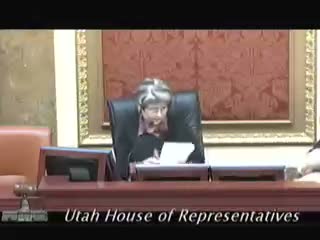
The Utah House passed First Substitute House Bill 337 on March 4, 2011, updating the Pawnshop and Secondhand Merchandise Transaction Information Act to clarify existing police-hold and seizure procedures and to streamline interactions between law enforcement and dealers.
Representative Selig, who sponsored the amendment on the floor, said the purpose was to remove language that cluttered the statute and to clarify the steps that occur when law enforcement places a hold on pawned property during an investigation. Selig walked members through the statutory references and said the changes were proposed by industry stakeholders, including the Utah Collateral Lending Association, and were intended to ease confusion and support proactive partnerships with law enforcement.
The amendment explains a procedure for dealers to notify law enforcement when a hold expires so both parties can determine the next steps for the property, and it references existing code provisions governing holds and returns (the sponsor cited code sections during floor remarks). Representative Selig emphasized that the bill does not expand the definition of secondhand dealer or pawnshop to cover antique or book dealers.
The House adopted the amendment and passed the first substitute 60-3; the bill will be transmitted to the Senate for consideration. The transcript records sponsor explanations of code sections (including references to the hold process and proposed return procedures) and the vote tally; the floor record does not include a public roll-call list of every voter in the transcript excerpt provided.