Get Full Government Meeting Transcripts, Videos, & Alerts Forever!
Get email alerts on the Food Policy Growing Food topic
No spam. Unsubscribe anytime.
House adopts measure aimed at protecting home gardening amid federal food-safety concerns
Summary
Second Substitute House Bill 249, the 'Growing Food' bill, passed the House 49-15 after sponsors said it narrows state protections to preserve home and local food production in the face of federal rulemaking under the federal Food Safety Modernization Act; opponents raised constitutional and drafting questions.
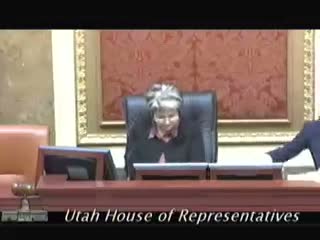
The Utah House on March 4 passed Second Substitute House Bill 249, described by sponsors as a targeted step to protect home gardens and local food growers from potentially expansive federal rulemaking under the Food Safety Modernization Act.
Representative Wright said the substitute narrowed the original bill and was prompted by recent passage of federal food-safety legislation that vests extensive rulemaking authority at the federal level. Wright told colleagues the substitute deletes four lines from the original to avoid unintended consequences and to preserve the ability of Utah residents to grow and sell local foods. “That act that was passed in Congress could be far reaching and in some cases damaging, particularly within states with our ability to grow and preserve and maintain storage,” Wright said while explaining the rationale for a state-level preemptive measure.
Representative Wimmer framed the bill as pushing back on federal case law and regulation, invoking the 1942 U.S. Supreme Court decision Wickard v. Filburn as a cautionary example of federal reach into private farming decisions. “This piece of legislation strikes right at the heart of Wickard v. Filburn,” Wimmer said, arguing the bill defends property rights against expansive federal regulation.
Other members, including Representative Powell and Representative Hassan, questioned whether statutory text was the correct mechanism or whether a constitutional amendment would be more appropriate for enshrining a state-level right. Powell noted concerns about drafting and where the line is drawn between rights granted and restrictions on government action. Hassan suggested trying statute for a year and, if needed, pursuing a constitutional amendment later.
After floor debate and questions, the House passed the second substitute 49-15; the bill will be transmitted to the Senate. The transcript records the sponsors’ framing about federal rulemaking risks and the invocation of Wickard v. Filburn; implementation and any administrative rules would be subject to subsequent legislative and executive action.