Get Full Government Meeting Transcripts, Videos, & Alerts Forever!
Get email alerts on the Immigration Driver Privilege topic
No spam. Unsubscribe anytime.
House debate over driver‑privilege cards centers on fingerprinting requirement and access; bill ultimately circled
Summary
A lengthy House floor debate over Senate Bill 138 focused on a fourth substitute that would require fingerprinting and sealing of biometric records by the Bureau of Criminal Identification; members raised access and policy concerns and the House ultimately circled the bill pending clarification.
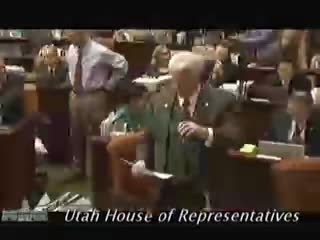
House members engaged in extended debate March 2 over Senate Bill 138, a measure dealing with driver privilege cards. The fourth substitute would require applicants for, or renewals of, a driver privilege card to have fingerprints and photos taken and submitted to the Bureau of Criminal Identification (BCI); BCI would seal records and forward them to the driver license division.
Representative Ipsen introduced the uncircle and said the prepared substitute required fingerprinting and submission to BCI. "What this bill does is it requires anyone who applies or to receive a driver privilege card or renew a driver privilege card to submit the fingerprinting and provides that the driver's license division will submit those to BCI," the sponsor said on the floor.
Supporters argued the measure would reduce fraud by requiring applicants to be fingerprinted at an official location and by having BCI seal submissions. Representative Vota described a version that would have applicants obtain fingerprinting at BCI or other designated, trained agencies and said the change "substantially reduce[s] the potential for fraud."
Opponents raised implementation and access concerns. Several members noted BCI had a limited set of locations at the time and that requiring applicants statewide to travel to Salt Lake County for fingerprinting would impose a burden on rural residents. Representative Lipbeck said the requirement might be inaccessible for people in outlying counties, and Representative Harrod framed broader policy objections to the driver privilege card itself, arguing the card acts as an incentive for undocumented migration and calling for repeal.
The House considered multiple substitution motions and a division vote on a motion to substitute the fourth substitute with other versions. After debate and several procedural votes, members ultimately voted to circle the bill for further work rather than complete final action on the floor. The clerk recorded the House "circled" the fourth substitute to SB138, meaning the body set the measure aside to allow sponsors to address outstanding concerns.
What happens next: Sponsors said they would work to resolve outstanding access and logistics questions (for example, whether fingerprinting could be offered at additional local DMVs or law enforcement offices), and the bill will return to the calendar when those details are clarified.