Get Full Government Meeting Transcripts, Videos, & Alerts Forever!
Get email alerts on the Electronic Waste topic
No spam. Unsubscribe anytime.
House approves electronic-waste disposal bill after debate over retailer reporting
Summary
The House passed Senate Bill 184 on electronic-waste disposal after members debated an amendment that would have required private retailers to report volumes of electronics collected; supporters said the measure helps track e-waste, while opponents warned it would force disclosure of proprietary information. The bill passed 63-10.
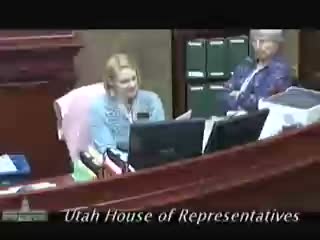
The Utah House approved Senate Bill 184, addressing disposal of electronic waste, after a floor debate over whether private retailers should be required to report the number of electronics they collect.
Representative Noelle, speaking to the floor, argued that a reporting requirement in the House amendment would force companies to disclose proprietary sales information and could discourage retailer participation. “You actually get into their proprietary information, which we don't want to do,” Representative Noelle said, urging the House to receive the Senate's refusal to concur and appoint a conference committee to resolve the language.
Representative Edwards said the amendment was limited and intended to preserve voluntary participation while adding “a tool to measure so that we have good data.” Edwards told colleagues she had suggested language to address proprietary concerns and would work through a conference committee if appointed.
Representative Powell and others urged compromise; Powell recommended a conference committee to reconcile business concerns and data needs. After debate, the House voted to receive the House amendments and then moved to final passage. Senate Bill 184 passed the House on final passage with 63 yes votes and 10 no votes and will be returned to the Senate for further action.
Supporters framed the measure as a step to reduce electronics that end up in landfills and to begin gathering data on collection volumes. Opponents cautioned that compelling retailers to report unit counts could reveal competitive sales information and urged either narrower reporting requirements or confidentiality protections.
The next step is further consideration in the Senate (the House returned the bill to the Senate after passage). The transcript shows floor-level amendments, motions to recede/receive, and floor debate focused on balancing data collection with protection of proprietary business information.