Get Full Government Meeting Transcripts, Videos, & Alerts Forever!
Get email alerts on the School Grading System topic
No spam. Unsubscribe anytime.
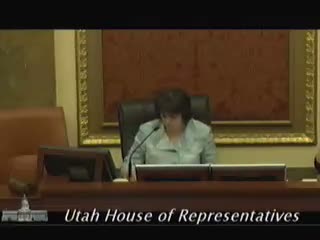
Utah House narrowly passes A–F school‑grading bill after heated debate
Summary
After extensive floor debate and objections from rural and Title I representatives, the Utah House passed First Substitute Senate Bill 59 on March 9, 2011, by a 39–32 vote. Supporters said an A–F system improves transparency and drives resources; opponents warned it could stigmatize struggling schools without guaranteed new funding.
The Utah House on March 9 passed First Substitute Senate Bill 59, creating a statewide A–F school‑grading system intended to measure both student proficiency and year‑to‑year progress. The bill passed on a close vote, 39–32, after an extended and sometimes contentious floor debate.
Sponsor Representative Hughes told members the measure “provides transparency and accountability for all of our schools” and that parents and communities can more easily understand a single letter grade than complex score reports. “Parents and community members easily relate to a single letter grade,” Hughes said while outlining the bill’s focus on measuring proficiency and progress.
Opponents, including Representative Moss and Representative Briscoe, warned that labeling schools with letters could stigmatize Title I, rural and high‑transience schools and drive families away rather than directing more resources to struggling schools. Representative Moss argued a grading system “tells you very little about what really goes on at that school” and cautioned that schools need additional support to improve. Representative Briscoe said Utah already faces high class sizes and funding stresses and expressed skepticism that the grade alone would produce constructive change.
Several members pressed the sponsor on benchmarking and comparability to Florida’s decade‑long experience with grading, class sizes, teacher pay and the assessments the bill would use. Representative Edwards asked for clarification on which statewide assessments would be used and how the bill treats the UPASS system; the sponsor said the proposal relies primarily on currently collected information from the State Office of Education and would allow modeling and refinement during the interim.
Representative Morley moved the previous question to cut off further debate; the motion carried and summation by the sponsor was waived before the final vote. The House recorded 39 votes in favor and 32 opposed; the bill will be signed by the Speaker and returned to the Senate for further action.
Why it matters: Supporters say a clear A–F grade will focus community and legislative attention on low‑performing schools and make it easier to allocate resources; critics say the approach risks labeling schools without simultaneously guaranteeing the supplemental funding or staffing needed to remediate deficiencies.
What’s next: The bill’s implementation date and specific modeling will be worked out in the interim with the State Office of Education; members flagged that additional tweaks and supports will be considered before full implementation.