Get Full Government Meeting Transcripts, Videos, & Alerts Forever!
Get email alerts on the State Budget topic
No spam. Unsubscribe anytime.
House adopts measures to track federal receipts and require contingency reporting
Summary
Lawmakers passed a substitute requiring state agencies to report federal receipts and produce contingency plans should federal funding be interrupted; debate centered on scope, agency burden and the political framing of federal spending.
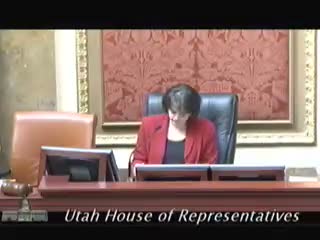
The Utah House on Feb. 28 passed a substitute bill requiring tighter reporting of federal receipts and contingency planning by state agencies in the event federal funding is interrupted.
Representative Ivory, sponsor of substitute House Bill 138, said the measure closes gaps between federal funds spent in Utah and federal funds appropriated in state budgeting and asks agencies to prepare contingency plans for interruptions in federal receipts. Ivory cited a state single-audit figure and said the state spends roughly $5.2 billion annually in federal funds that are not always transparent in legislative appropriations.
Debate was extended. Representative King urged prudence and warned against "hysteria" over federal spending without proposing concrete trade-offs; Representative Harrod said the state should be more prepared and suggested cutting certain federal programs if necessary. Representative Briscoe questioned potential operational impacts and whether the Executive Appropriations Committee already receives similar information. Sponsors and defenders argued the bill improves transparency and preparedness rather than immediately cutting programs.
The House adopted a motion to end debate and ultimately passed the substitute 68-7. Sponsors emphasized the measure is intended to diagnose and make recommendations, not to seize new authority over agency budgets.