Get Full Government Meeting Transcripts, Videos, & Alerts Forever!
Get email alerts on the Voter Privacy topic
No spam. Unsubscribe anytime.
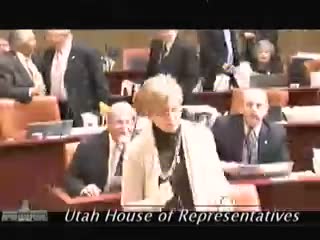
Utah House rejects proposal to shield voters’ full birth dates from public records
Summary
House Bill 410, which would have restricted public access to voters’ month and day of birth while leaving birth year public, failed on Feb. 28 on a 30–42 vote after floor debate over privacy, campaign needs and signature‑gathering verification.
House Bill 410, sponsored by Representative Edwards, proposed removing the month and day of a voter’s date of birth from publicly available voter records while retaining the birth year. Supporters said the change would reduce identity‑theft risk; opponents warned it could hamper campaigns, voter-contact accuracy and signature verification for initiatives.
“This bill simply adds to the list of protected records the year and individual's date of birth,” Representative Edwards said in opening remarks, describing the proposal as a balance between privacy and public access.
Representative Hutchings and other supporters argued removing month and day significantly reduces identity‑theft risk while leaving the birth year for demographic and administrative uses. Hutchings told colleagues that removing those elements “does not allow you the 2 critical pieces that you have to have in order to create a unique identity,” and called the draft “a carefully calculated move.”
Opponents, including Representative Richardson and others, said the full birth date is useful for campaigns and civic processes; the House debated whether the change would complicate initiative signature verification and other legal uses of voter data. Representative Cox proposed an amendment to exempt political parties from the restriction; sponsor staff and counsel said selectively granting access to one class of users is not feasible under current GRAMA rules, and the amendment failed on the floor.
After extended floor discussion the House voted against final passage, 30 yes and 42 no; the bill failed and will be returned for filing. Floor debate referenced experiences in other states, auditor and committee information, and competing priorities between privacy advocates and election administrators.