Get Full Government Meeting Transcripts, Videos, & Alerts Forever!
Get email alerts on the Towing Policy topic
No spam. Unsubscribe anytime.
Utah House passes tow-truck amendments to authorize law-enforcement authorization and liens
Summary
Lawmakers approved first substitute House Bill 81 to let tow trucks respond to customer-service calls on interstates with law-enforcement authorization and to allow liens on nonessential personal property until towing bills are paid. Sponsor said the change closes a liability loophole and helps wreckers recover costs.
Representative Perry presented first substitute HB81, explaining that a legal gap prevents tow trucks from responding to customer-service calls on interstates unless called or authorized by law enforcement and that current practice leaves tow companies uncompensated when owners recover loose property and the tow company cannot collect a bill. Perry described federal guidance (CFR 49) that allows temporary authorization by law enforcement and proposed state-law changes that would permit law-enforcement dispatch authorization and allow tow companies to hold non-essential property in the vehicle as a lien until the tow bill is paid.
Perry said the bill does not give tow trucks exemptions from normal duties: drivers "still have to use due care and due caution" and are not elevated above police. He framed the lien provision as analogous to storage-lien law and said it would help tow operators recover costs without extended litigation.
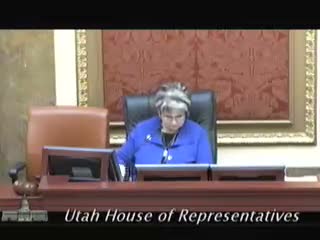
Floor debate was brief; summation was waived and the House opened the vote. The Speaker announced the bill passed the House by a recorded vote and that first substitute HB81 will be transmitted to the Senate for its consideration (transcript records 64 yes, 1 no).
Next steps: HB81 is transmitted to the Senate. The bill sponsor said he would be open to follow-up questions; the transcript does not show further direction to staff other than enrolling the bill for transmittal.