Get Full Government Meeting Transcripts, Videos, & Alerts Forever!
Get email alerts on the School Finance topic
No spam. Unsubscribe anytime.
House circles capital-outlay flexibility bill after debate over repurposing funds for operations
Summary
Representative Watkins' HB98 would let small school districts use capital outlay levy proceeds for building operations and maintenance; supporters said it frees local funds for classroom needs, opponents warned it risks diverting voter-approved capital money. Lawmakers voted to 'circle' the bill for more work.
Representative Watkins introduced House Bill 98 to permit school districts with enrollments of 2,500 students or fewer to use proceeds from their capital outlay levy for accounting function 2600 (operation and maintenance of plant services), such as custodians, utilities and maintenance. The sponsor framed the change as permissive and narrowly targeted—intended to give small, rural districts flexibility to free local maintenance-and-operation dollars for classroom needs and to avoid teacher layoffs.
On the floor, some members pressed the sponsor on whether the proposal effectively repurposes voter-approved capital outlay funds into salary or general operations, calling it a potential "bait-and-switch." Representative Watkins and backers said the change is an accounting flexibility that keeps spending within capital-outlay accounting for building operations rather than a transfer of funds out of capital projects.
Members cited differing district funding levels and the risk that long-term capital needs (roofs, HVAC, new construction) could be deferred if districts routinely use capital-outlay proceeds for operations. Representative Watkins and supporters said the bill is voluntary for districts and would not mandate a permanent reallocation.
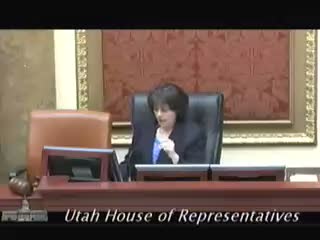
After extended debate and local examples (including a referenced Grand County situation), Representative Pottam moved to "circle" HB98 to give the sponsor more time to consult with stakeholders and to address concerns; the motion to circle passed by voice vote. Sponsors said they will continue stakeholder outreach to refine the bill.
Because the motion to circle succeeded, the House did not adopt the bill on this floor day. Lawmakers emphasized the need to balance short-term district staffing needs against long-term capital obligations and voter intent.