Get Full Government Meeting Transcripts, Videos, & Alerts Forever!
Get email alerts on the Medicaid Pilot topic
No spam. Unsubscribe anytime.
House approves pilot to let some Medicaid recipients volunteer in lieu of copays; bill passes 56–15
Summary
The House passed House Bill 211 on Feb. 2, 2011, creating a small pilot (target under 100 participants) to let certain Primary Care Network Medicaid recipients perform community service as an alternative to copays; supporters framed it as voluntary and experimental, while opponents called it punitive and raised federal-waiver and equity concerns.
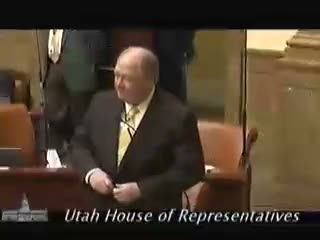
The Utah House of Representatives on Feb. 2 passed House Bill 211, a measure authorizing a small pilot program that would require certain adults in the Primary Care Network (PCN), ages 19–64, to perform community service as an alternative to paying co-pays. The bill passed the House 56–15 and will be transmitted to the Senate for consideration.
Representative Menlove, the bill sponsor, told colleagues the pilot would be limited in scope — “less than 100” participants — and aimed to test whether voluntary service could be a constructive alternative for recipients who cannot make co-payments. Menlove said the pilot would seek permission from the federal government to operate as a waiver and that the Department of Health and Medicaid Division would define eligibility and operational details.
Supporters described the pilot as an opportunity to give participants a sense of contribution and to develop job skills. Representative Richardson said the program could incentivize participation and help people move off Medicaid, and Representative Da called it a way for recipients to “pay back in some small way” and gain community connections. Representative Eliason said there was “dignity in work” and that participants who want to contribute would benefit from the program.
Opponents raised constitutional, practical and equity concerns. Representative Duckworth warned a pilot could reinforce negative public perceptions about individuals on public benefits and questioned whether federal rules would allow community service as an alternative to co-pays. Representative Mas described potential harms to working single parents who may not be able to meet volunteer requirements without jeopardizing employment or childcare. Representative Wright and others cautioned against expanding government work programs in a way that could become coercive.
Several factual and operational details were debated on the floor. The sponsor acknowledged the criteria for who would be considered "capable" for volunteer requirements had not yet been fully defined and said those criteria would be developed during the pilot. The sponsor and supporters said stakeholder groups — including mental health advocates and disability advocates — had been consulted and would be involved in designing the pilot. Representative Cosgrove, who disclosed a conflict of interest as an employee of Primary Children’s Medical Center, said Medicaid provides preventive care to hundreds of thousands of Utah children and urged care in changing programs that affect vulnerable patients.
Representative Edwards asked whether other states had won similar Medicaid waivers; Menlove said he was not aware of a state that had implemented this exact model and described Utah as “leading the pack” if the waiver were approved. Lawmakers noted the pilot’s dependence on federal approval and the need to define eligibility and safeguards before implementation.
The House adopted a motion to cut off debate (previous question) and then voted to pass HB211. The House record shows 56 yes votes and 15 no votes. Under the measure, the Legislature authorizes the Department of Health and Medicaid staff to pursue the pilot and the required federal waiver.
Next steps: HB211 is referred to the Senate for its consideration. If the Senate approves the bill and the Department obtains the federal waiver, the pilot’s detailed eligibility criteria, hours or service expectations, and monitoring/reporting requirements will be developed by Medicaid staff and stakeholders.
Quotes in context
“Less than 100 would be the target population,” Representative Menlove said when asked about the pilot’s scale. Representative Duckworth said floor debate left “pretty big significant concerns” about the bill’s assumptions and possible consequences for people who rely on Medicaid. Representative Mas said she feared the policy could be “punishing” to people already struggling to keep employment and care for children.
Ending
HB211 passed the House and will be transmitted to the Utah Senate. The program’s implementation is contingent on the Department of Health obtaining any necessary federal waiver and developing specific eligibility criteria and safeguards as part of the pilot design.