Get Full Government Meeting Transcripts, Videos, & Alerts Forever!
Get email alerts on the School Bus Advertising topic
No spam. Unsubscribe anytime.
Utah House Rejects Bill Letting School Districts Sell Ads on Buses after Safety Debate
Summary
After heated floor debate about safety, visual clutter, and local control, the Utah House voted 44–27 to reject House Bill 199, which would have let local school boards sell advertising space on the exterior of school buses with some content restrictions.
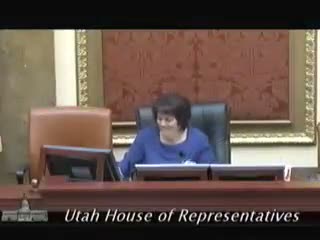
House Bill 199, which would have allowed local school boards and charter-school governing boards to sell advertising space on the exterior of school buses, failed in the Utah House on Jan. 31 after extended debate about child safety, distracted drivers, community standards and First Amendment risks.
Representative Nadine Byrd, the bill’s sponsor, told the House the proposal was meant to give local districts a revenue tool and stressed safety limits in the text. “We’re not allowing advertisements on the back of the buses where the lights flash,” Byrd said, adding the bill also prohibits alcohol, tobacco and sexually explicit material and removes political candidates from eligibility. Byrd argued the measure would provide districts “another venue in order to advertise” and estimated revenue of between $1.5 million and $3.3 million depending on local pricing.
Opponents raised repeated safety concerns. Representative Becky Ipsen said reflective tape and the visual identity of the yellow school bus could be compromised and warned against sacrificing child safety for revenue: “I just I don't think that ever that we should ever sacrifice the safety of our children to generate a few dollars,” she said. Representative Mel Brown, who identified himself as a school bus driver, said advertising could reduce the bus’s recognition and deference from other motorists and risk the children’s safety: “I’m concerned that if we desecrate the bus with an advertisement... the children themselves will lose respect for that bus,” Brown said.
Lawmakers also debated legal exposure and content standards. Representative Katy Lisonbee and others warned of First Amendment challenges if districts open buses as a public forum; Representative Harper and others emphasized local control and pointed to existing ad use in gyms and on other school property. An amendment was approved on the floor to require local boards that sell exterior ad space to adopt guidelines for that advertising. Supporters said states with limited examples reported no crash data tied to bus advertising; critics said absence of data is not the same as proof of safety.
After previous-question votes cut off further debate, the House voted 27 yes and 44 no; the clerk recorded that HB 199 “fails to pass and will be filed.” The vote leaves the authority with school districts unchanged — they may continue other local fundraising practices but may not put commercial ads on the exterior of school buses under state law now.
Next steps: The bill was filed and no immediate rehearing was scheduled. Lawmakers who supported the idea signaled they may pursue narrower or more prescriptive language in a future proposal focused on stronger safety and content guards.