Get Full Government Meeting Transcripts, Videos, & Alerts Forever!
Get email alerts on the Transportation Funding topic
No spam. Unsubscribe anytime.
Utah House overrides veto of bill to set aside sales-tax growth for transportation, 50-18
Summary
The Utah House voted 50-18 during an override session to overturn the governor's veto of Senate Bill 229, a measure that directs a portion of sales-tax growth toward transportation maintenance. Lawmakers split over whether earmarking erodes budget flexibility or is needed for deferred road repairs.
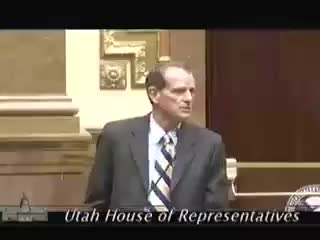
The Utah House of Representatives voted 50-18 during an override session to overturn the governor’s veto of Senate Bill 229, a bill that would channel a portion of future sales-tax growth into transportation funding rather than leaving those increases available for the annual budgeting process.
Supporters said the measure creates a prudent, pay-as-you-go source for deferred maintenance. "Transportation is the lifeblood of our economy," Representative Ivory said, arguing that setting aside growth would let the state address road and bridge maintenance without excessive borrowing. The House Chair of Government Infrastructure also urged passage, citing a UDOT estimate that roughly 45 percent of roads need maintenance and saying preventive upkeep avoids much larger costs later.
Opponents said the bill would unduly restrict future legislatures’ ability to set priorities. "If those were just a savings fund, maybe I'd be more comfortable," Representative Arendt said, arguing that earmarking limits flexibility to respond to emergent needs in education, health care and higher education. Arendt concluded, "For that reason, I urge you not to override the governor's veto of Senate Bill 2 29." Another member warned that the bill’s formula would "ratchet" transportation’s share upward over time and called the resulting long-term share "higher than I feel comfortable with."
Legislators debated procedure before the final vote. A motion to cut off debate (the previous question) was moved from the floor and passed by voice. Representative Gee gave a brief summation in support of the bill, stressing the cap in the bill’s formula and the benefit of holding funds in a discretionary account for priorities like rural bridges and repairs.
The House opened voting on the override and, after members had voted, clerks reported the result: the override passed with 50 yes votes and 18 no votes. The chamber returned the bill to the Senate; the Speaker signed it for return to the lieutenant governor for filing.
After the vote the chamber handled short procedural items: members adopted a short recess (a motion described in the transcript as to "saunter" for five minutes), approved a motion that the House receive one day of pay for the override session, and then voted to adjourn the session.
What happens next: under the procedure described on the floor, the bill will be returned to the Senate for its signature and then filed with the lieutenant governor. The transcript does not include a list of individual roll-call votes by name; the only recorded tally in the transcript is 50 yes and 18 no.
Reporting note: direct quotes in this article come from the session transcript; where speaker names or wording in the transcript were ambiguous they are stated as the transcript presents them (for example the session transcript renders the bill reference as "Senate Bill 2 29" in a verbatim quote).