Get Full Government Meeting Transcripts, Videos, & Alerts Forever!
Get email alerts on the Pharmacy Practice topic
No spam. Unsubscribe anytime.
House passes pharmacy-practice revisions authorizing limited oncology dispensing, sets study and enforcement conditions
Summary
The House approved a sixth substitute to the Pharmacy Practice Act that allows limited practitioner dispensing of oncology medications for actively treated outpatients, requires reporting and sterile-preparation standards, sets a three-year sunset, and directs DOPL enforcement and a stakeholder study.
The Utah House on March 6 approved the sixth substitute to Senate Bill 161, revising the Pharmacy Practice Act to allow narrowly defined practitioner dispensing of oncology medications for actively treated cancer outpatients while adding enforcement and oversight measures.
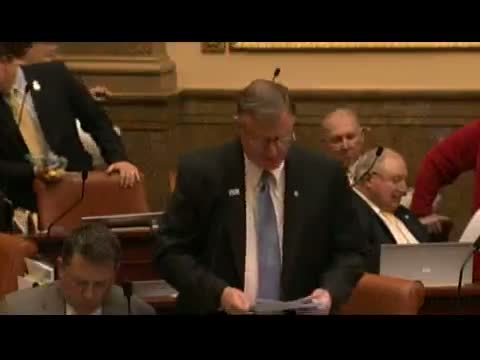
Representative Vickers, speaking for the bill, said the substitute permits oncologists in certain settings to dispense cancer medications and supportive drugs to patients actively receiving chemotherapy while excluding controlled substances in schedules I–III. "It is key to note note that this only can occur with an actively treated, cancer patient," Vickers said during floor remarks. The substitute requires disclosure to patients that they may choose pharmacy dispensing instead, reporting of dispensed medications to the controlled-substance database when applicable, and sterile-compounding standards tied to federal NFPA 797 guidance.
The substitute includes a three-year sunset on the oncology-dispensing carve-out and directs DOPL (Division of Occupational and Professional Licensing) to adopt rules and to have enforcement authority to inspect and sanction noncompliant practitioners. Sponsors said the changes respond to patient access and convenience needs and cited other states with similar carve-outs; opponents expressed concerns about patient safety, pharmacist–physician boundaries and whether a prior study should have preceded statutory change.
Representative Vickers and several supporters described the measure as narrowly focused and crafted with enforcement and reporting tools to preserve safety. The House passed the sixth substitute as amended (final House tally reported 65–6). The bill returns to the Senate for further consideration.
Next steps: DOPL will prepare rulemaking and enforcement plans and report back as called for in the bill; the stakeholder study/report will inform future legislature consideration and whether the carve-out should be extended or modified.