Get Full Government Meeting Transcripts, Videos, & Alerts Forever!
Get email alerts on the Vehicle Inspections topic
No spam. Unsubscribe anytime.
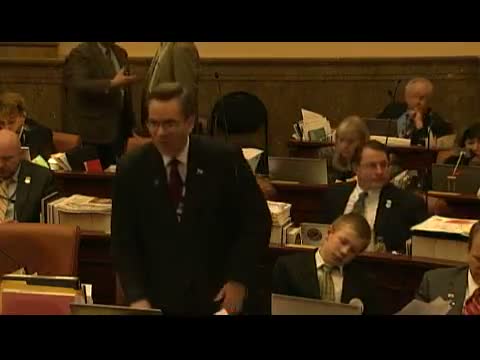
House debates reducing vehicle safety inspections, reassigning troopers; bill circled for sponsor to revisit compromise
Summary
Lawmakers debated major changes to Utah’s vehicle safety-inspection schedule and a proposal to shift troopers from inspection duties to highway patrol. Multiple substitute proposals were considered; the House ultimately circled the bill for the sponsor to restore a prior compromise and return with revised language.
On Feb. 29 the Utah House spent significant floor time on second-substitute House Bill 298, a package that would change periodic vehicle-safety inspection intervals and redirect personnel to highway enforcement.
Sponsor Representative Dougal described a compromise to reduce inspection frequency (initial schedule presented: checks at years 4, 8 and 10, then annually thereafter) and to redirect six troopers from inspection duties into field operations while appropriating six additional troopers — a net increase intended for highway enforcement. Dougal said the goal was to focus resources on driver behavior, which he called the leading threat to road safety.
Several members proposed alternate substitutes and amendments. Representative Harper offered a fourth substitute that would add a twelfth-year check and move additional troopers; Representative Frank and others proposed restoring a sixth-year checkpoint; Representative McKay proposed striking a fourth-year check in favor of a sixth-year schedule. Supporters argued reallocating troopers would increase visibility and deterrence on the roads; opponents said inspection failures, though numerically small, cluster at particular vehicle ages and changes risk reducing safety checks for vulnerable vehicles.
After multiple division votes on substitute motions and amendments, members voted to "circle" the bill — a procedural move that postpones final action so the sponsor can return the bill to its earlier compromise language or otherwise reconvene negotiations. Representative Dee and others said circling would allow the sponsor to restore the consensus reached prior to the evening’s amendments.
What happens next: The bill is circled; the sponsor has the opportunity to bring it back in its prior agreed form or with revised compromise language when the calendar allows. The floor debate recorded multiple technical amendments and competing proposals, so observers should expect further committee or Rules Committee work before final passage.
Attribution: Quotations and attributions come from floor remarks by Representative Dougal, Representative Brown, Representative Harper and others during the Feb. 29 House session.