Get Full Government Meeting Transcripts, Videos, & Alerts Forever!
Get email alerts on the Campaign Finance topic
No spam. Unsubscribe anytime.
Utah House Rejects Major Changes to Anonymous Campaign Contributions After Lengthy Floor Debate
Summary
After several substitutes and hours of debate, the Utah House voted down measures that would have loosened disclosure rules and raised the anonymous contribution threshold; the bill (HB 38) failed on final substitution votes and will be filed.
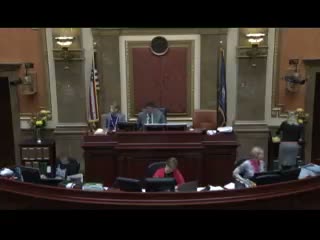
The Utah House of Representatives spent much of its Feb. 22 floor session debating House Bill 38, a bill that would have changed state campaign contribution reporting and the treatment of anonymous donations. After multiple substitutes and extended floor exchanges, members voted down the remaining changes and the proposal was filed.
Representative Lynn Powell, sponsor of the floor substitutions, said the aim was to strike a compromise between House and Senate language. "The policy in the bill is two. Number one, it raises the aggregate contribution limit to $100. Second of all, it requires that anonymous contributions over $100 would have to be paid to a governmental entity or to a 501(c)(3) non-profit," Powell said in floor remarks urging support for the compromise.
Opponents framed their objections around transparency and enforcement. Representative McKay argued that even carefully written exceptions could create awkward compliance burdens for candidates and open avenues for abuse if envelopes of cash or ambiguous donations arrive without a clear donor. "I'm seeking enforcement vehicle[s]," McKay said, but added that statutes cannot prevent all nefarious behavior; he urged caution on creating what he called a potential loophole.
Representative Briscoe warned of historical precedents for anonymous money entering politics. "Money finds its way to power," Briscoe said, citing past national examples to underscore the risks of broadening anonymous giving. Representative Nielsen countered with a free-speech argument, noting courts have construed some contribution limits as protected political speech and voiced concern about burdening constitutional liberties.
Lawmakers considered three main substitutes on the floor: a version raising the aggregate, name-exempt reporting threshold to $100 (second substitute), a compromise $75 threshold (first substitute), and a third substitute that would have permitted donations above a lower threshold to be reported as "unknown" or routed to enumerated entities. The third substitute was rejected on a recorded vote (30–38). Final action on the second substitute recorded 33 yeas and 38 nays, and the measure failed; House leadership announced the bill will be filed.
The debate featured recurring concerns about balancing disclosure and First Amendment rights, as well as practical enforcement issues for small cash donations. The House did not adopt any of the floor substitutes that would have expanded the anonymous-contribution paths or raised the undisclosed aggregate limit to the levels proposed during debate. The chamber returned to other business and later adjourned until Feb. 25.
What happens next: Because the House did not adopt a final substitute that met a majority, the sponsors indicated the issue could be revisited in conference with the Senate or in future legislation; for now, the bill is being filed per House practice.