Get Full Government Meeting Transcripts, Videos, & Alerts Forever!
Get email alerts on the Mobile Home Residency topic
No spam. Unsubscribe anytime.
Mobile‑home residency amendments fail after heated House debate
Summary
First substitute House Bill 143, intended to amend the Mobile Home Park Residency Act with added tenant protections and judicial‑fairness language, failed in floor vote on March 11, 2013, 27–47 after extensive debate and several floor amendments.
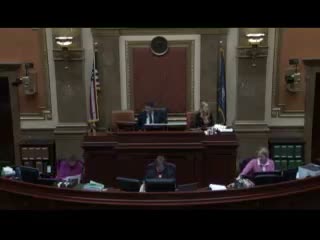
First substitute House Bill 143 — a package of changes to the Mobile Home Park Residency Act — failed on the Utah House floor on March 11, 2013, after extended, often contentious debate. Final recorded vote: 27 yea, 47 nay; the bill will be filed by staff.
Representative Christiansen, the bill sponsor, described the measure as a narrow, balanced set of changes intended to honor the statute’s opening language protecting both park owners and mobile‑home residents. Sponsor remarks stressed the high cost of moving a mobile home (cited in debate as up to approximately $10,000–$17,000 for common units), the unique vulnerability of mobile‑home residents, and the need for judicial‑fairness language so courts could apply conventional equitable principles to disputes.
Floor debate was extensive. Supporters argued the bill provides modest protections short of rent control, citing national industry practices that make moving prohibitively expensive and describing patterns of rent increases that leave residents with few options. Opponents, including members who represent property‑owners and those emphasizing contract certainty, warned the bill would intrude on private‑property and contract rights; they urged more study and negotiation. Several floor amendments were offered and adopted (including changes to notice periods and removing the words “without cause” from certain lines), but disagreement remained deep.
Representative Stratton and others expressed concern about courts being invited to rewrite private contracts; Representative Nelson, a practicing attorney, cautioned that language allowing a court to exercise an equity‑based fairness standard risked undermining the established rule that courts enforce the plain language of contracts. Some members called for interim study to build broader consensus.
After debate and the amendment process, the House voted to reject the first substitute; the bill will not advance this session unless revived later. The transcript shows multiple speakers from both sides and several adopted amendments that altered notice days and language around tenancy and remedies.