Get Full Government Meeting Transcripts, Videos, & Alerts Forever!
Get email alerts on the Air Quality topic
No spam. Unsubscribe anytime.
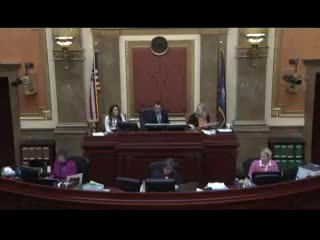
House approves bill to align outdoor wood boiler rules with indoor burners amid air-quality debate
Summary
Lawmakers passed House Bill 394 directing that outdoor wood boilers be regulated the same as indoor wood burners; proponents cited efficiency and EPA standards while critics warned about real-world emissions, fuel types and implications for the Division of Air Quality's PM2.5 compliance plan. The bill passed 59–12.
House Bill 394, which treats outdoor wood boilers the same as indoor wood-burning appliances for regulatory purposes, passed the Utah House 59–12 after contested floor debate.
Sponsor Representative Noel explained outdoor wood boilers heat water that is piped into homes and described them as "far more efficient" than some indoor burners; he noted there are only about 100 such units in the state and said federal renewable-energy tax credits exist for purchases. "This bill requires that outdoor burning and indoor burning be regulated the same," Noel said.
Opponents raised technical and enforcement concerns. Representative Briscoe said the clean results cited by proponents depend on burning specific hardwoods and that in practice owners may burn scrap lumber or soft woods that produce different precursors and volatile organic compounds; he warned the Legislature should not undercut the Division of Air Quality's (DAQ) efforts to meet federal PM2.5 standards.
Supporters pointed to updated EPA hydronic-heater standards and argued that manufacturers and emissions controls are improving. Representative Wiley noted some models show emissions lower than EPA thresholds and urged giving the technology a chance.
After debate the House recorded the final vote: "House Bill 394 having received 59 yes votes and 12 no votes, passes this body and will be referred to the Senate for its consideration." The transcript shows members on both sides asking DAQ-related questions and noting the state’s ongoing obligations to meet federal air-quality standards.