Get Full Government Meeting Transcripts, Videos, & Alerts Forever!
Get email alerts on the Medicaid Expansion topic
No spam. Unsubscribe anytime.
House Passes Measure to Prohibit Medicaid Expansion After Extended Debate
Summary
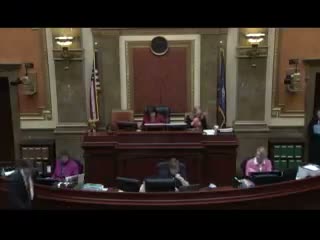
The Utah House passed second substitute House Bill 391 on March 11, 2013, to prohibit Medicaid expansion under the Affordable Care Act after several hours of floor debate. The final vote was 46 in favor and 27 opposed.
Second substitute House Bill 391, a sponsor‑filed measure to prohibit the state from expanding Medicaid under the Affordable Care Act, passed the Utah House on March 11, 2013, after an extended floor debate and a recorded final vote of 46–27.
Representative Andurig, the bill sponsor, framed the measure as a fiscal safeguard, saying expansion would bring "a false promise with a devastating false hope" and warning the state could face hundreds of millions in added annual costs over time. He cited the Legislature’s fiscal analysts and preliminary department figures to argue that long‑term liability could be substantial and that federal funding commitments were not guaranteed.
Opponents urged the House to accept available federal matching funds and emphasized the bill’s human impact. Representative Chavez Houck urged colleagues to remember testimony from constituents who would be helped by expansion and noted county officials’ support, citing the potential to reduce county corrections and emergency‑care costs. Representative Gibson also highlighted the potential to extend coverage to roughly 131,000 Utahns and discussed administrative costs and enrollment issues if the state refused the funds. Representative Polson framed the federal matching arrangement as an investment with a high initial match in the first three years and urged colleagues to avoid losing federal dollars that would otherwise go to other states.
During debate members raised fiscal, moral and administrative arguments on both sides. Questions focused on the reliability of federal funding, projected ten‑year cost estimates prepared by the Legislature’s fiscal staff, the potential effect on premiums and private‑market coverage, administrative burdens for state agencies, and alternative charity‑based approaches proposed by some speakers.
After the previous‑question motion closed debate, Representative Anderegg offered a summation urging civic duty and collective community action as an alternative to expansion. The House then voted to approve the second substitute and to transmit the bill to the Senate for consideration.
The next procedural step is transmittal to the Senate; the House’s passage does not by itself implement policy but moves the measure forward in the legislative process.