Get Full Government Meeting Transcripts, Videos, & Alerts Forever!
Get email alerts on the Education Charter Funding topic
No spam. Unsubscribe anytime.
House freezes charter school funding method for two years amid auditor concerns
Summary
First substitute Senate Bill 272 freezes the method for funding charter schools for two years while a task force studies long-term policy. The House passed the bill 54-21 after floor debate about fiscal impacts and an auditor report alleging improper funding.
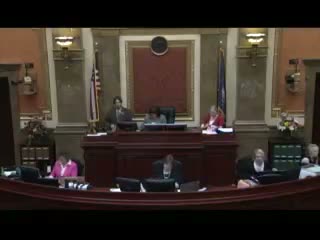
The Utah House on March 14 approved first substitute Senate Bill 272, a two-year freeze of the charter-school funding method that keeps charter funding based on October 1 student counts while the Legislature convenes a task force to review policy.
Representative Last, the House sponsor, said the freeze provides "consistency during the next 2 years while we evaluate this" and noted charter schools and the state office negotiated the substitute. He told colleagues that changing to an average daily membership (ADM) plus growth method "represents about $6,000,000 in reduced funding to the charters" in aggregate.
Representative Powell cited a state auditor report dated Jan. 16 that found the state had been improperly funding charter schools and criticized the timing and process of the bill’s introduction. Powell urged more committee review and recommended procedural safeguards to ensure bicameral review and adequate examination of complex funding changes.
Supporters said the bill codifies current practice for two years to avoid disrupting charter school revenue streams while the task force begins its work in July and studies policy for one year. The Clerk recorded the final vote: 54 yes and 21 no; the bill passes the House and will be returned to the Senate for signature.
The bill establishes a temporary policy stance while directing a task force to recommend longer-term changes; the floor record does not include a detailed fiscal note beyond the sponsor’s aggregate estimate.