Get Full Government Meeting Transcripts, Videos, & Alerts Forever!
Get email alerts on the Criminal Justice topic
No spam. Unsubscribe anytime.
House rejects bill elevating cockfighting to a felony after robust debate on penalties and enforcement
Summary
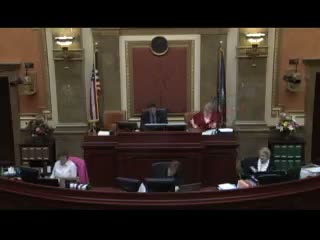
After extended floor discussion about criminal penalties, forfeiture and whether existing animal‑cruelty statutes cover fighting events, the House rejected First Substitute SB 52 (game foul fighting) by a vote of 28‑39 on March 14, 2013.
The House considered First Substitute Senate Bill 52 on March 14, which would have made game foul fighting, including cockfighting, a third‑degree felony when conducted with intent to fight. Representative Anderson, the sponsor, said the felony classification targets the organized gambling and drug activity associated with such events and does not criminalize mere ownership of birds.
"Under this bill, it'll make cockfighting a third degree felony," Anderson said, explaining the focus on intent to fight and mirroring language used for dogfighting. Several members raised constitutional and sentencing concerns: Representative Briscoe and others warned the bill could impinge on assembly rights and produce property forfeiture consequences for attendees, while Representative McKay and others questioned whether existing animal cruelty statutes already covered the conduct.
Proponents argued a felony deters operations and associated criminal activity, while opponents emphasized possible overreach, impacts on sentencing (including firearms prohibitions for those convicted), and the risk of expanding the prison population for nonviolent offenders. Representative Green noted the bill's collateral consequences, including permanent loss of firearm rights on felony conviction.
After a motion to end debate, the House voted; the first substitute failed, with 28 in favor and 39 opposed. The bill was referred to staff for filing.